There’s been a lot of chatter lately about the recent release of the raw data from the 1940 U.S. Census. From New York to Santa Cruz and everywhere in between, Americans are digging in to the data to understand more about what life was like 72 years ago.
Locally, there’s been a lot of that going on as well. In the La Lengua Autonomous Zone, rebel blogger Burrito Justice created a magnificent, must-read post that visually recreates the lives of several residents who lived on Mission Street between Valencia and 29th Street in 1940.
Also, on KQED’s Forum, The Kraz hosted a show devoted to the 1940 Census, with a celebrity guest appearance by Bernal Heights resident Michael Nolan, who described his effort to use the census data to learn who lived on his stretch of Elsie street way back when.
Bernalwood reached out to Neighbor Michael and asked him to describe his research for the rest of us. In an email, he said:
The 1940 Census for my side of the 200 Block of Elsie between Cortland and Eugenia reveals a neighborhood of low-income working class families emerging from The Great Depression.
Their occupations included tavern owner, longshoreman, baker, shoe repairer, building watchman, plasterer, cab driver, janitor, sewer in a suitcase factory, bacon packer, curtain folder, foundry molder, and railroad freight handler.
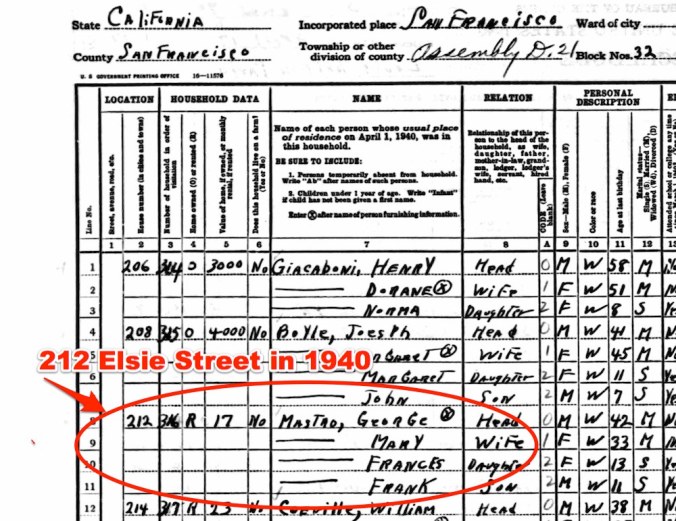
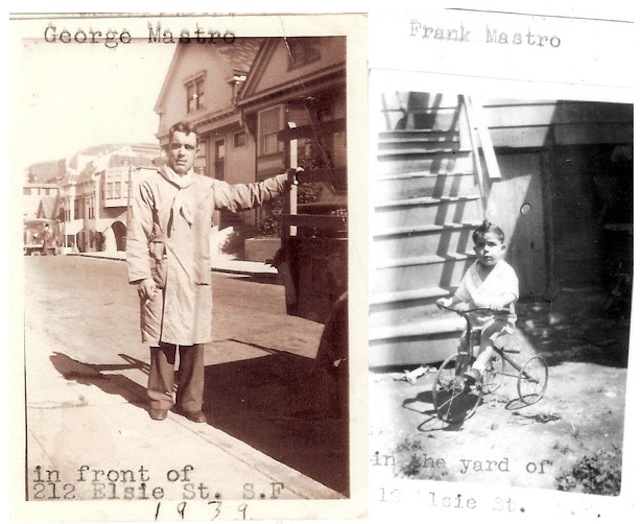
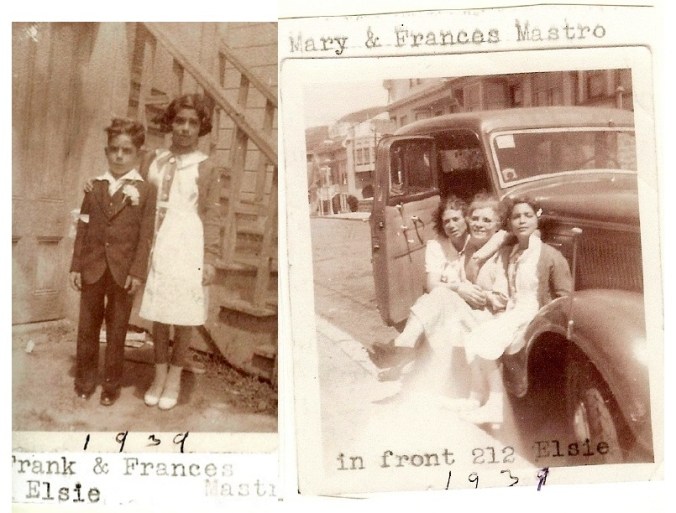
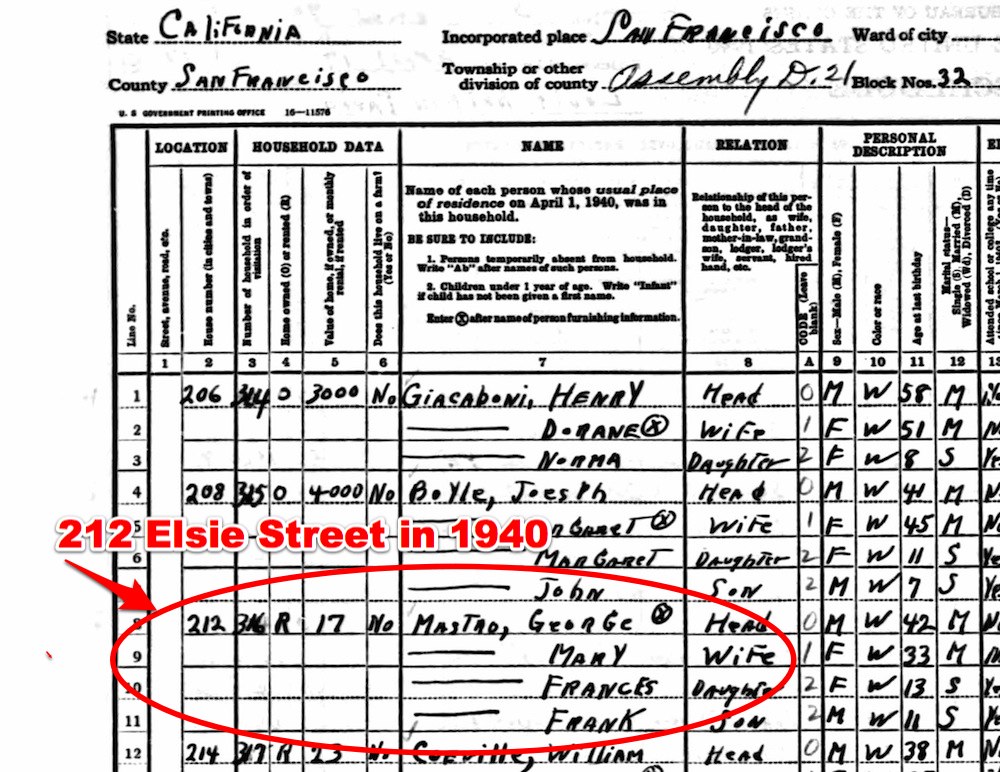
The occupants of my house both worked at a lock factory, no doubt Schlage Lock in Vistitacion Valley. Mostly women worked as housewives, but George and Margaret Mastro both worked at the lock factory. In the year before, he had 26 weeks of work and earned $754; she had 42 weeks of work and earned $1000. George, 42 in 1940 had a 6th grade education; Margaret only 4 years. George was born in Italy and Margaret in Pennsylvania.
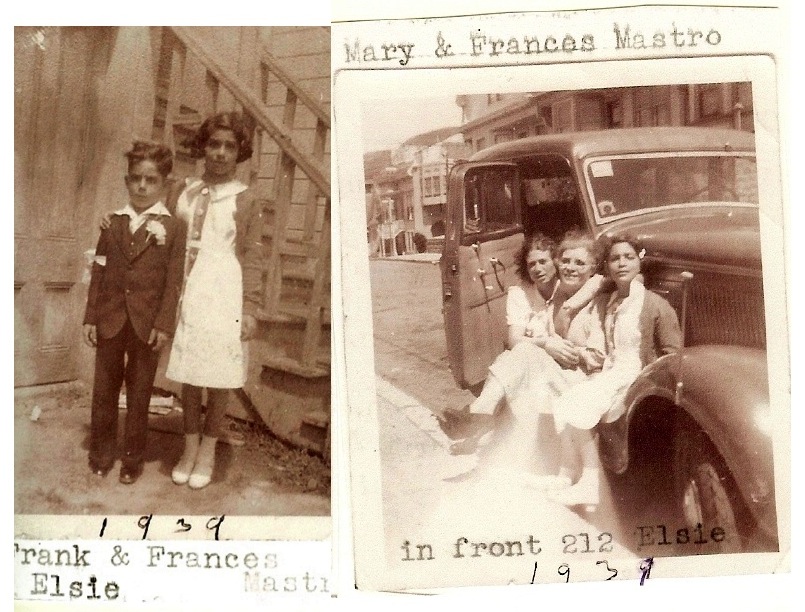
Several years ago their daughter Frances, age 13 in 1940, came to visit 212 Elsie, the house where she grew up with her younger brother, Frank. I happily took her on a tour of the house. She asked if the basement, where her father made wine, still had a dirt floor. I told her it had been cemented over. Before they lived at #212, they lived in the house at the northwest corner of Elsie-Virginia-Eugenia.
The 1940 Census also indicates where people lived five years previous. The majority on this block of Elsie lived in the same place. There were many Italians, some Irish, and Austrians. Some were Californians, others were natives of Arizona, Louisiana and Pennsylvania. The name of the census enumerator was Louis Pavia, probably chosen because he spoke Italian.
There were usually more people living under one roof than there are today.
Neighbor Michael is lucky to have photos of the former occupants of his house (shown above), as well as the data contained in the 1940 census. For my house, I only found the data. Here’s what a typical page of the 1940 census looks like:
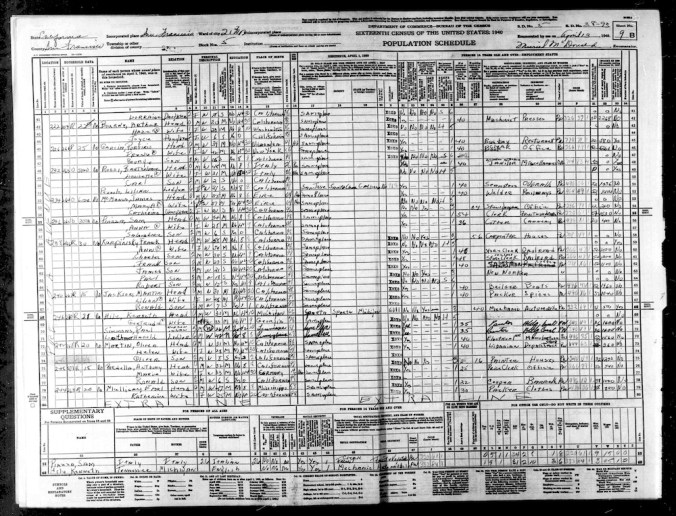
Zoom in a bit, and I can read about the occupant of my house:

What this tells me is that in 1940, my house was occupied by Sam Piazza, his wife Anna, and their son Salvadore. Aged 34, Sam owned the house, which had an estimated value of $3500. Eighth grade was as far as Sam got in school; Anna, 25, completed Ninth. Both had been born in California (but a supplemental survey revealed that they spoke Italian at home).
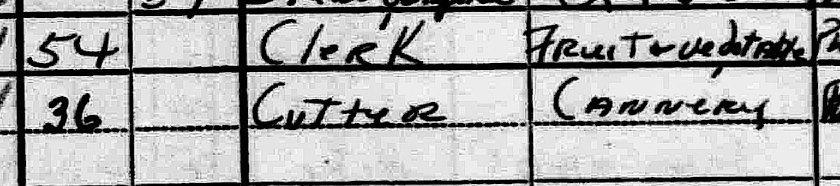
Here’s the family’s work status:
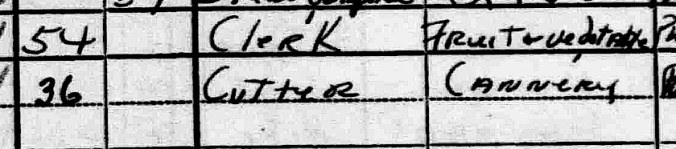
Sam was a clerk in the fruit and vegetable industry; he worked 54 hours during a typical week in March, 1940. During that same week, Anna had put in 36 hours as a cutter at a local cannery. They walked the same floors I walk each day in this house, so I’m glad to know their history.
Want to find out who lived in your home? It takes a little patience and some digging, but Burrito Justice explains how to get started:
None of these files are scanned or indexed yet, but you can most easily find your “Enumeration District” by searching at the site Steve Morse and Joel Weintraub have set up. Once you get the ED narrowed down, you can download the original census forms for that area, which will only be two or three blocks of homes, at least in San Francisco.
PHOTOS: Michael Nolan via the Mastro family













 Bernalwood