The Lost History of the Oldsmobile Dealership on Army Street

An interesting bit of Bernal Heights history recently surfaced on the blog of Hemmings Motor News, a national website for serious automobile collectors.

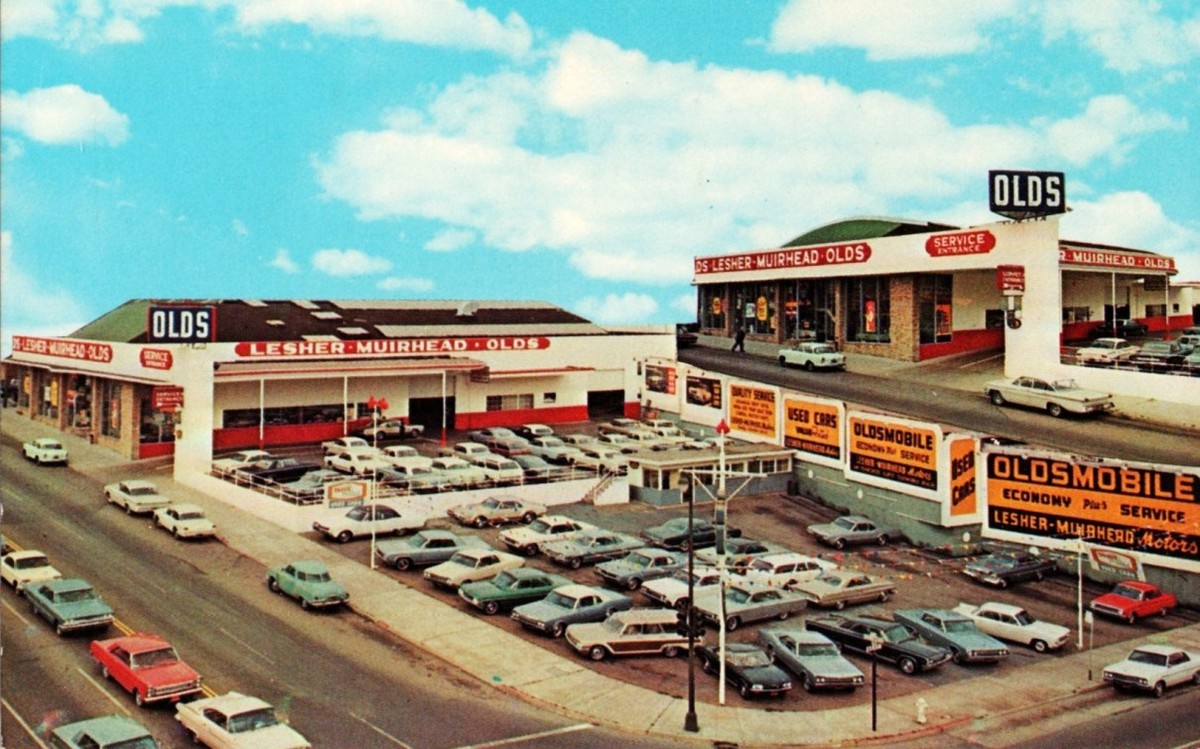
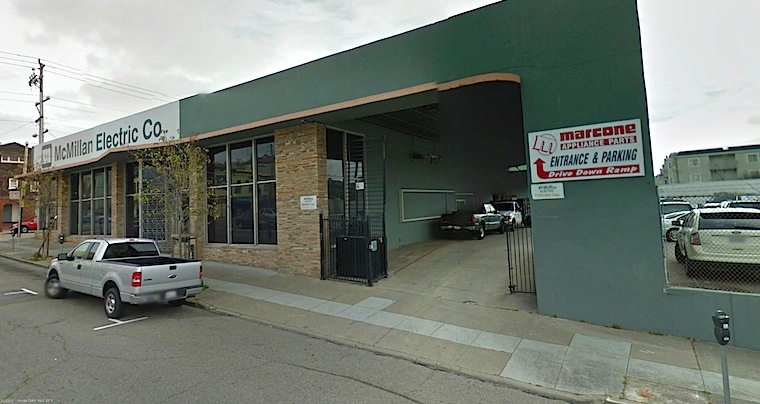
As part of a regular feature on defunct car dealerships, Hemmings profiled the former Lesher-Muirhead Oldsmobile in San Francisco. Truth be told,  I didn’t recognize the site when I first saw the photograph, but Lesher-Muirhead was the original developer of the property on the corner of South Van Ness and Army (Cesar Chavez) that’s now home to McMillan Electrical Contractors and our new, artisinal AutoZone auto parts store.

Hemmings says:

As is the case with most old dealership images we’ve run across lately, this mid-1960s postcard of Lesher-Muirhead Oldsmobile in San Francisco comes to us from Alden Jewell. And like many other dealerships we’ve researched for the Lost Dealership Project, Lesher-Muirhead’s history isn’t as straightforward as one photo would lead us to believe.

At the time the photo was taken, we’re rather certain that Lesher-Muirhead was owned at least in part by Edgar J. Fleck, a German who fled his native land for the United States before World War II. We’ve yet to find out when he bought into the dealership, but according to his obituary in the San Francisco Chronicle, by 1974 he held enough control over the dealership to move it away from its location at 1515 South Van Ness Boulevard and into a new facility at 780 Serramonte Boulevard in Colma, south of San Francisco. It was there that the Oldsmobile dealership remained (at some point prior to 1980 renamed Serramonte Oldsmobile) until it was dissolved in 1993 by its then-owner, Tom Price, who appears to still own the Oldsmobile dealership’s successor, Stewart Chevrolet Cadillac. […]

Interestingly, property valuation references for 1515 South Van Ness, the location in the photo, show that the building was erected in 1948. That building still stands today.

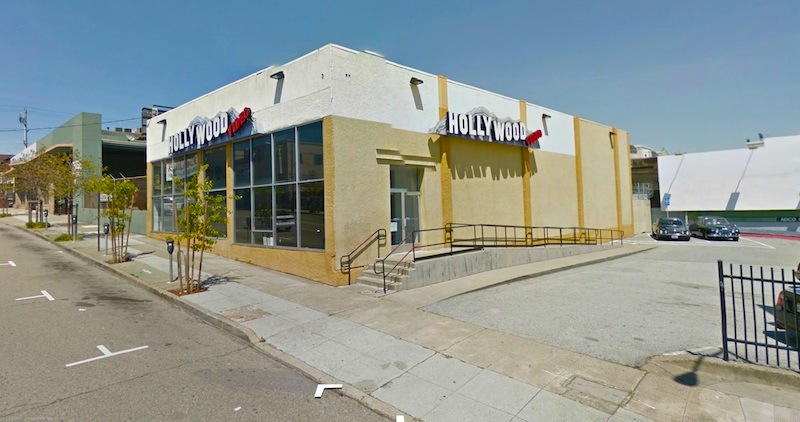
Fun! Judging from the vintage of the cars in the (obviously heavily retouched) postcard, it would appear that the photo was taken roughly around 1965. And obviously, the building that now houses the AutoZone was erected in the former used car display lot on the corner sometime after the dealership closed in 1974.

Here’s a (somewhat dated) Google StreetView image of the site, for your then-and-now edification:
And here’s a closeup of the former dealership building:
1940 Census Reveals Domestic History of Bernal Households


There’s been a lot of chatter lately about the recent release of the raw data from the 1940 U.S. Census. From New York to Santa Cruz and everywhere in between, Americans are digging in to the data to understand more about what life was like 72 years ago.

Locally, there’s been a lot of that going on as well. In the La Lengua Autonomous Zone, rebel blogger Burrito Justice created a magnificent, must-read post that visually recreates the lives of several residents who lived on Mission Street between Valencia and 29th Street in 1940.

Also, on KQED’s Forum, The Kraz hosted a show devoted to the 1940 Census, with a celebrity guest appearance by Bernal Heights resident Michael Nolan, who described his effort to use the census data to learn who lived on his stretch of Elsie street way back when.

Bernalwood reached out to Neighbor Michael and asked him to describe his research for the rest of us. In an email, he said:

The 1940 Census for my side of the 200 Block of Elsie between Cortland and Eugenia reveals a neighborhood of low-income working class families emerging from The Great Depression.

Their occupations included tavern owner, longshoreman, baker, shoe repairer, building watchman, plasterer, cab driver, janitor, sewer in a suitcase factory, bacon packer, curtain folder, foundry molder, and railroad freight handler.

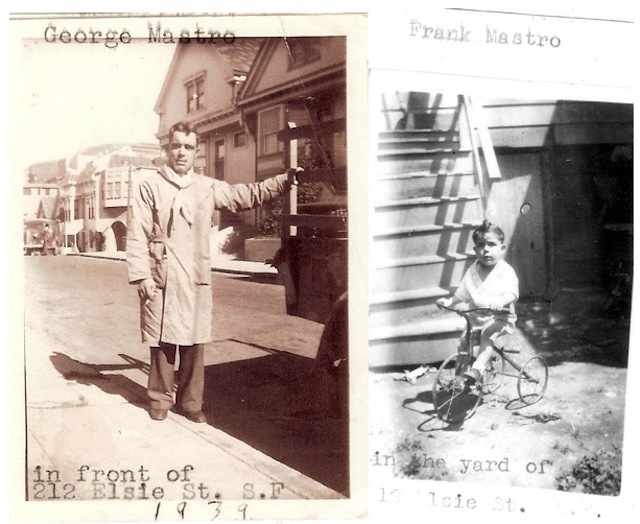
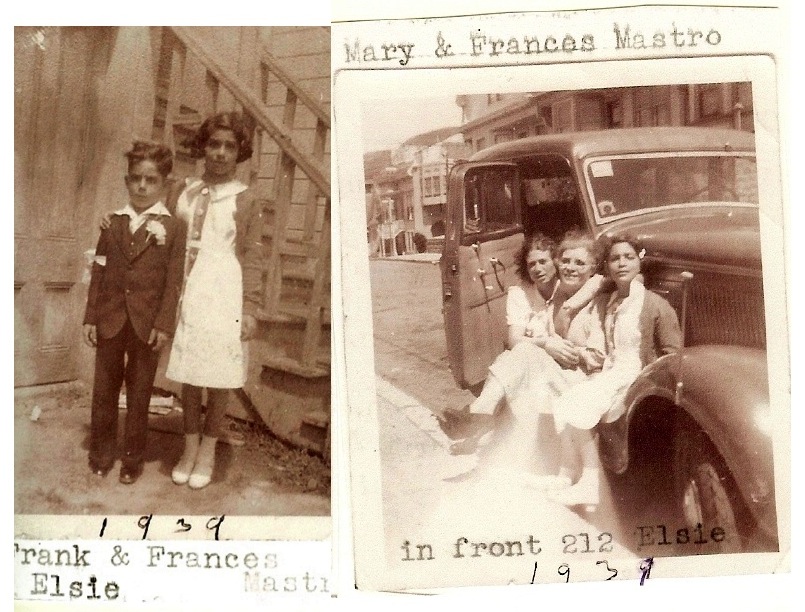
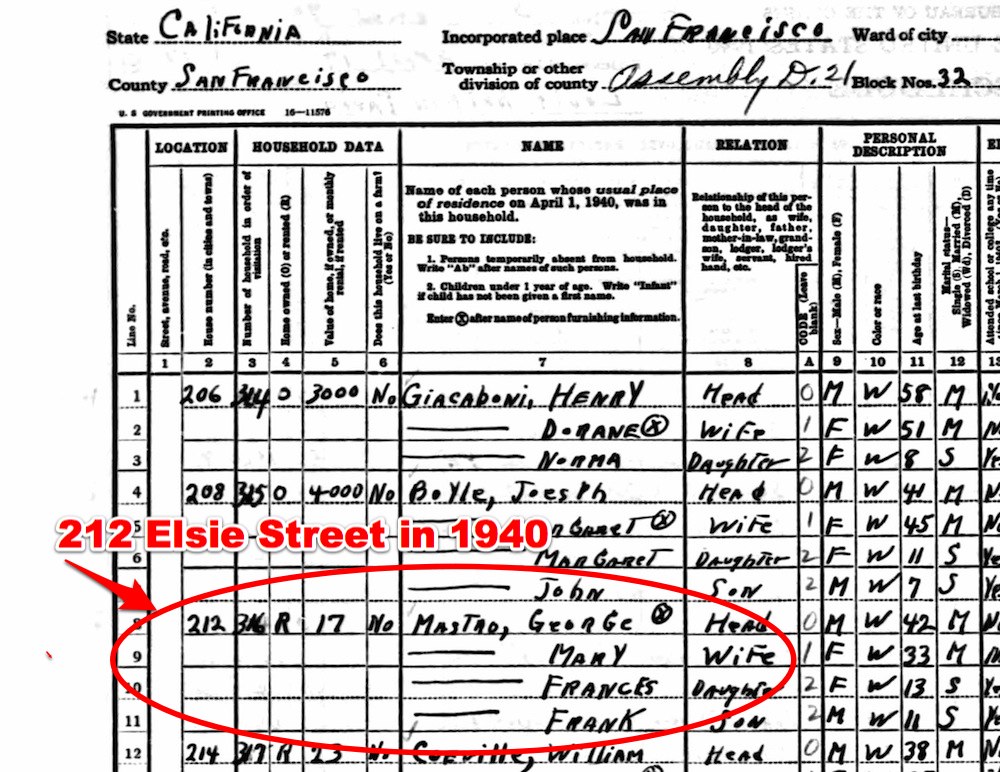
The occupants of my house both worked at a lock factory, no doubt Schlage Lock in Vistitacion Valley.  Mostly women worked as housewives, but George and Margaret Mastro both worked at the lock factory.  In the year before, he had 26 weeks of work and earned $754; she had 42 weeks of work and earned $1000.  George, 42 in 1940 had a 6th grade education; Margaret only 4 years.  George was born in Italy and Margaret in Pennsylvania.

Several years ago their daughter Frances, age 13 in 1940, came to visit 212 Elsie, the house where she grew up with her younger brother, Frank.   I happily took her on a tour of the house.  She asked if the basement, where her father made wine, still had a dirt floor.  I told her it had been cemented over.  Before they lived at #212, they lived in the house at the northwest corner of Elsie-Virginia-Eugenia.

The 1940 Census also indicates where people lived five years previous.  The majority on this block of Elsie lived in the same place.   There were many Italians, some Irish, and Austrians.  Some were Californians, others were natives of Arizona, Louisiana and Pennsylvania.  The name of the census enumerator was Louis Pavia, probably chosen because he spoke Italian.

There were usually more people living under one roof than there are today.

Neighbor Michael is lucky to have photos of the former occupants of his house (shown above), as well as the data contained in the 1940 census.  For my house, I only found the data. Here’s what a typical page of the 1940 census looks like:

Zoom in a bit, and I can read about the occupant of my house:

What this tells me is that in 1940, my house was occupied by Sam Piazza, his wife Anna, and their son Salvadore. Aged 34, Sam owned the house, which had an estimated value of $3500. Eighth grade was as far as Sam got in school; Anna, 25, completed Ninth. Both had been born in California (but a supplemental survey revealed that they spoke Italian at home).

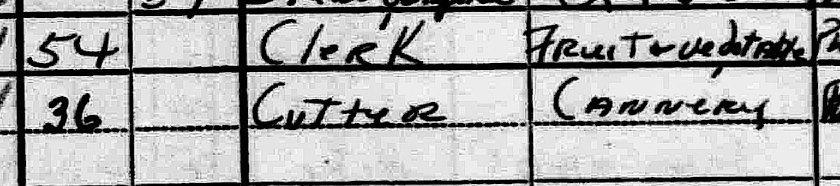
Here’s the family’s work status:

Sam was a clerk in the fruit and vegetable industry; he worked 54 hours during a typical week in March, 1940. During that same week, Anna had put in 36 hours as a cutter at a local cannery. They walked the same floors I walk each day in this house, so I’m glad to know their history.

Want to find out who lived in your home? It takes a little patience and some digging, but Burrito Justice explains how to get started:

None of these files are scanned or indexed yet, but you can most easily find your “Enumeration District” by searching at the site Steve Morse and Joel Weintraub have set up. Once you get the ED narrowed down, you can download the original census forms for that area, which will only be two or three blocks of homes, at least in San Francisco.

PHOTOS: Michael Nolan via the Mastro family 

For Sale on eBay: Awesome San Francisco Shipyard Ashtray

As Bernalwood explained a while ago, there’s a deep and important historical connection between our now-glamorous neighborhood and the sad, abandoned, and mildly radioactive ruins of the Hunters Point Naval Shipyard near Candlestick Point:

Although no contemporary realtor would ever use the words “Bernal Heights” and “Hunter’s Point” in the same sentence, the fact of the matter is that the history of the two neighborhoods are closely intertwined. That’s because once upon a time, the now-abandoned San Francisco Naval Shipyard at Hunter’s Point employed tens of thousands of San Franciscans, and many of those workers lived in Bernal Heights.

Try it out: Next time you meet a Bernal Heights old-timer — most likely, a retired male senior citizen — ask where they used to work. Quite often, they’ll say they worked at the shipyard.

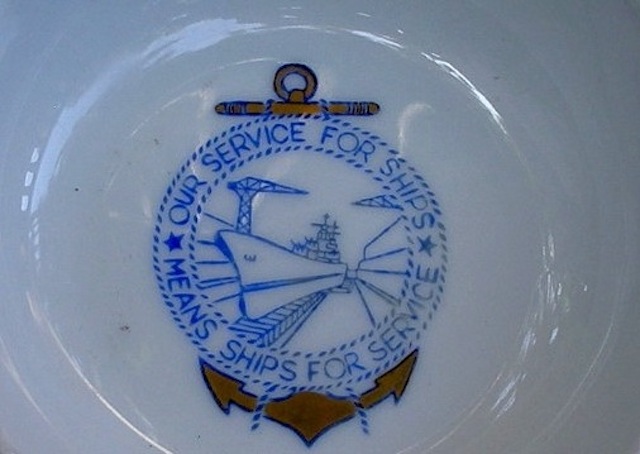
Anyhoo, right now on eBay, there’s a terrific momento from the heyday of the Hunter’s Point Naval Shipyard for sale. It’s a “Vintage Fukagawa Porcelain San Francisco Naval Shipyard Ashtray,” and it shows the shipyard’s classic insignia with its awesome motto: “Our Service for Ships Means Ships for Service”

As I write this now, the bidding starts at $14.99 with a $19.99 Buy It Now option. As a charter member of the Hunter’s Point History Geek Fan Club, I’ve already got one exactly like this, so I’m out. Hurry!

Google Maps Renders Bernal Heights in 8-Bit Nintendo-Vision

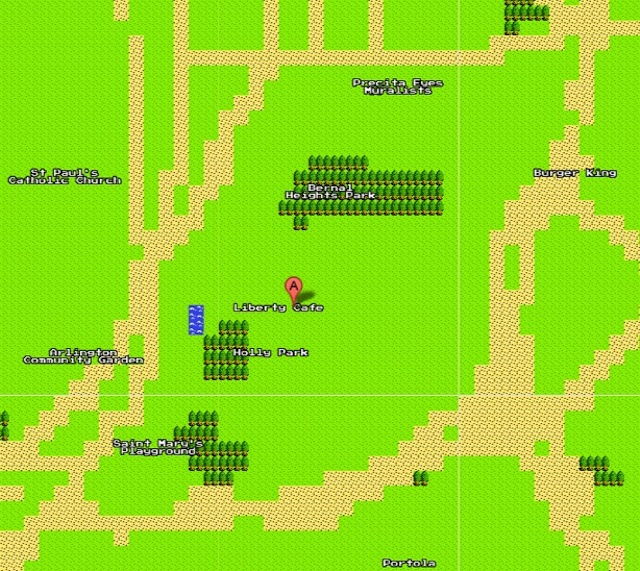
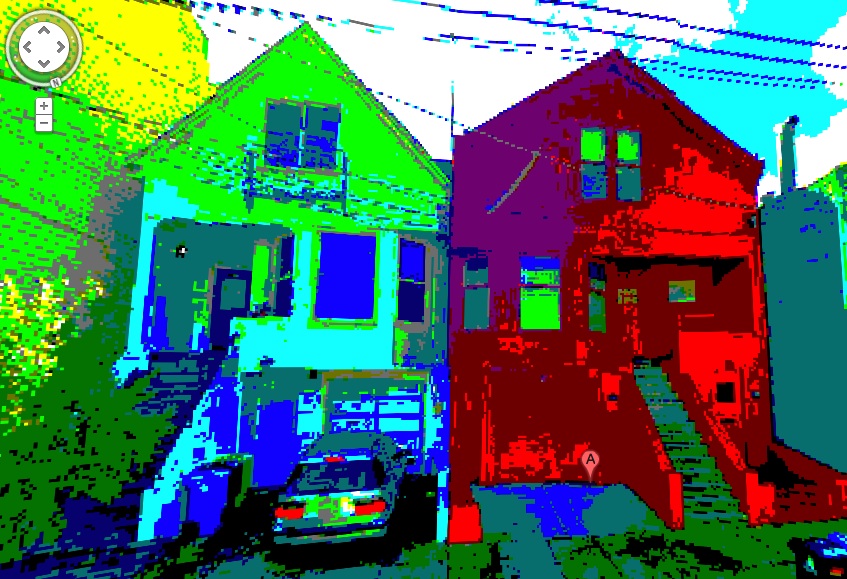
It’s unclear if it was an April Fool’s stunt or just a wild flight of geek fancy, but last weekend Google Maps released a version of its online mapping system that optimizes the  service for display on the 8-bit Nintendo NES videogame console from the 1980s.

As you can see above, the macro-level views make Bernal Heights look like the combat zone of a dragon-slaying game cartridge. Which is neat. But Google Maps went all the way with the whole 8-bit thing, so that even the Street Views are presented in NintendoVision.

For example, here’s a view down Cortland Street (click any image to embiggen):

And here’s a closeup of the Bernal Branch library. Not to stir up  controversy, I think but this looks rather awesome. Why don’t we create an 8-bit faux-digitized version of the current mural, and then paint *that* on the side of the library:

Up on the Hill, Sutrito Tower lurks in the pixels:

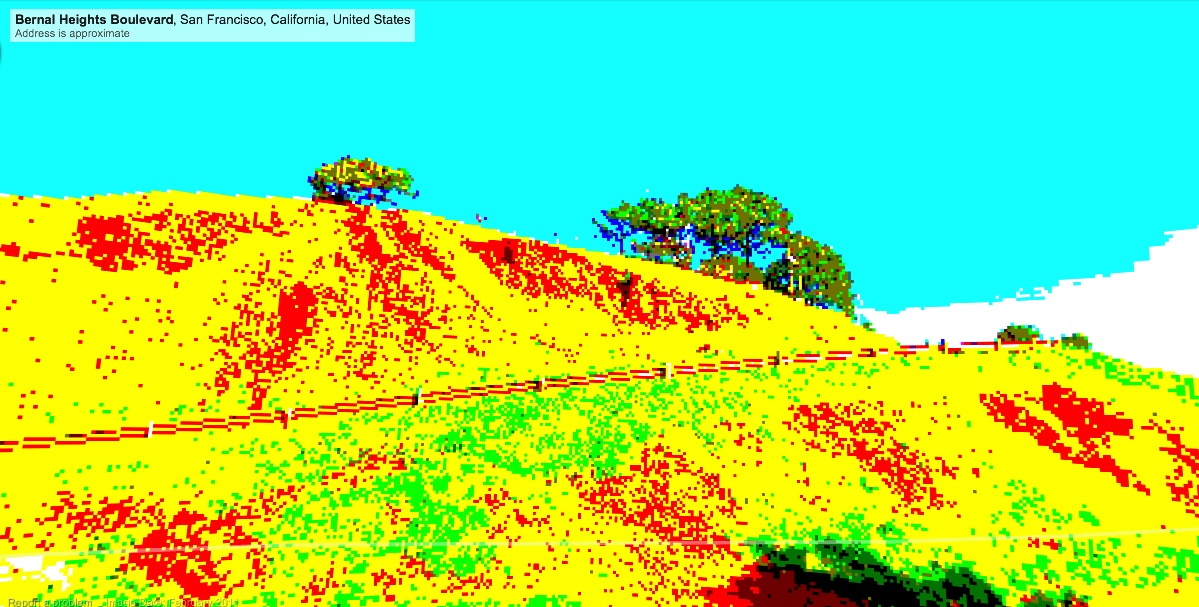
Farther east, Bernal Hill looks like a rustic tomorrowland with Bernal Heights Boulevard wrapped around it:

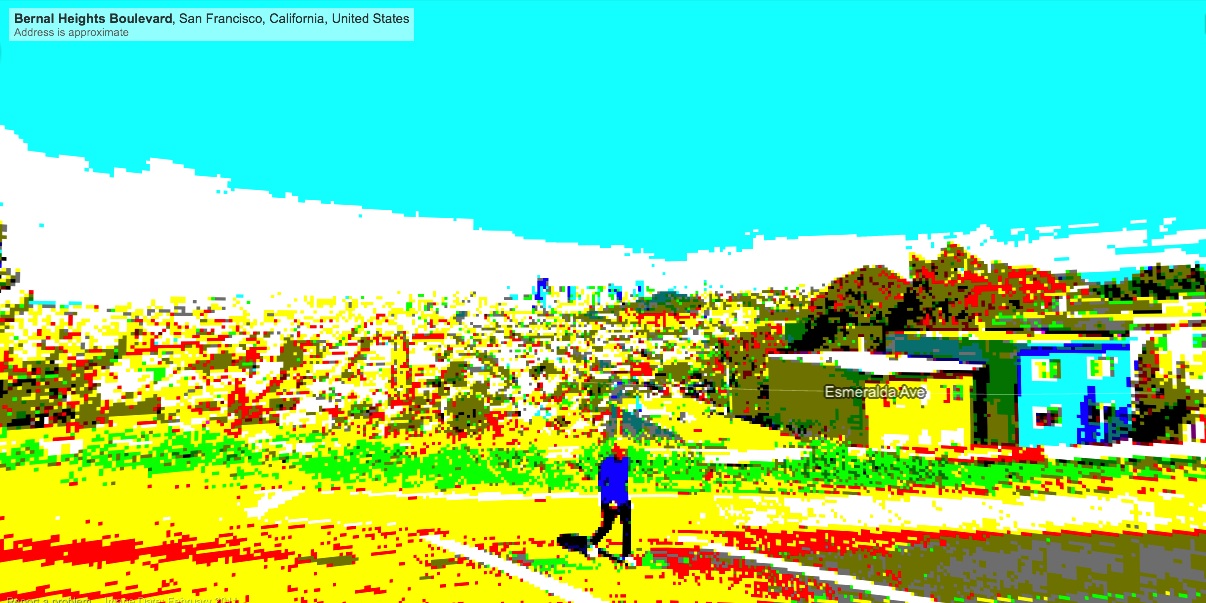
Yet the view downtown lacks a certain… clarity:

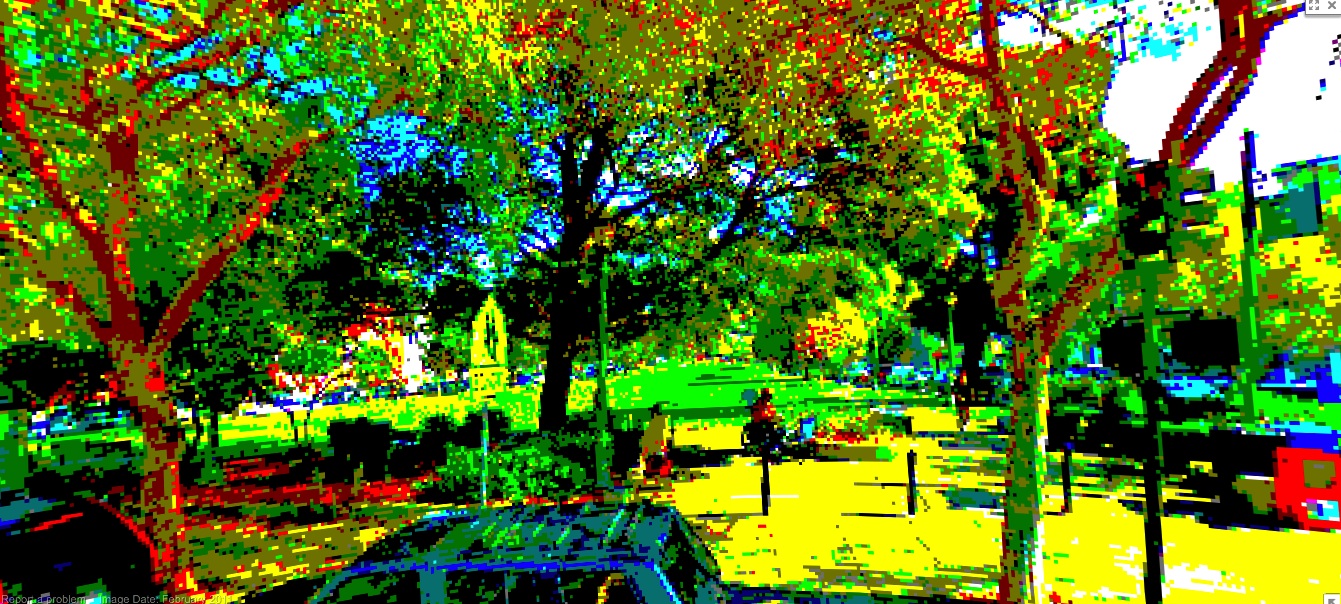
Precita Park looks absolutely stunning in 8-bit (click it! click it!). Notice that our old friend Stephen retains his ghostly presence:

While my own house looks really… red:

All in all, it’s an impressive retrofutuistic re-imagining of our glamorous neighborhood, right down to the smallest detail:

Hurry and explore Bernal Heights in Google Maps 8-bit Nintendo-Vision, before Larry Page comes to his senses and makes someone tell someone to get someone to scream at someone to pull the whole thing down.

IMAGES: via Google Maps 8-bit

A Brief History of Peralta Avenue’s Discontinuity Problem

If you live on Peralta Avenue in Bernal Heights, you’re probably used to getting phone calls from lost delivery drivers.  They’ve managed to find the 200 block, you’re in the 500 block; how many obstacles could there be between you?

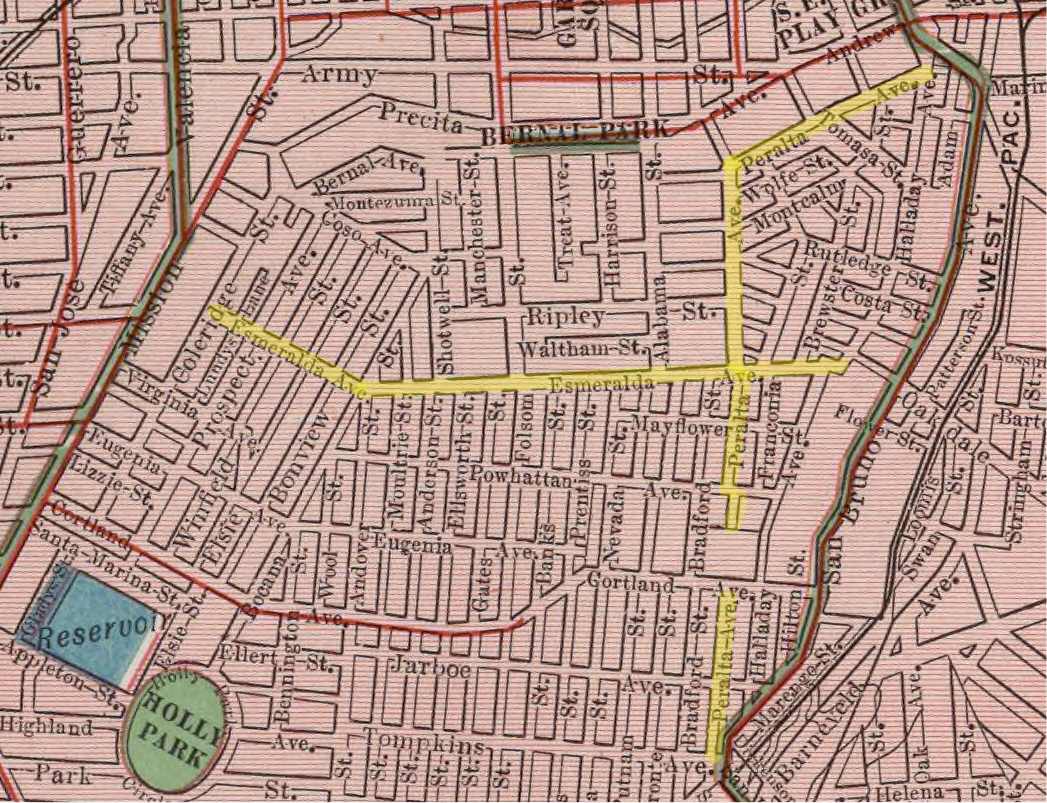
Turns out, there are a lot. That staircase on the right is the 400 block of Peralta. But how did Peralta “Avenue” end up in no fewer than eight non-contiguous segments? In theory, it was supposed to be a (mostly) continuous street:

That’s a 1924 Rand McNally map, courtesy of David Rumsey. Peralta and Esmeralda are highlighted. These roads existed mostly on paper, as planned improvements. Note that “paper” Esmeralda runs right over the top of Bernal Hill: Sutrito Tower would be at the intersection of Esmeralda and Shotwell. Fourteen years later, these roads remained wisely unbuilt:

Harrison Ryker’s aerial photos via David Rumsey and  Google Earth. The actual built portion of Peralta by 1938 was a nice, contiguous three blocks running parallel to, and uphill from, Precita and Army.

The paper streets remained on the maps, but by the 1940s, city planners had begun to distinguish paper streets from real ones by using dotted lines — as seen in this 1948 map, courtesy Eric Fischer:

Unlike Esmeralda, paper Peralta was eventually built, basically along the planned lines — except for where it wasn’t built at all. Parts of it are too steep to be anything but stairs; this was likely made worse when the cross streets were blasted out flat.

Greetings from Bernal Isle, Climate Change Vacation Paradise!

Rebel blogger Burrito Justice, chief propagandist of the La Lengua separatists, looked into his cartographic crystal ball recently to understand the impact that global climate change and sea-level rise might have upon our City.

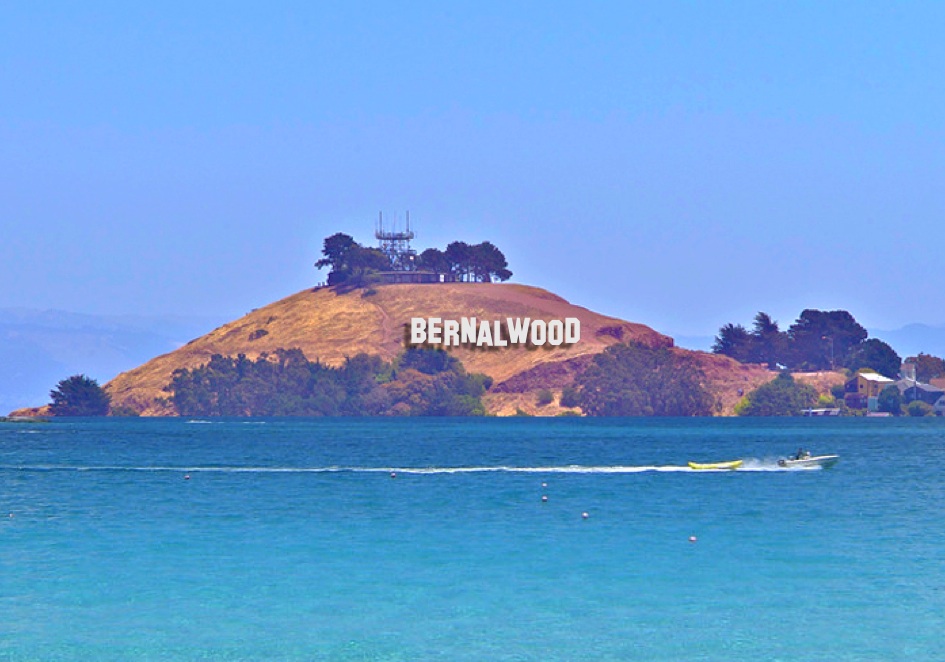
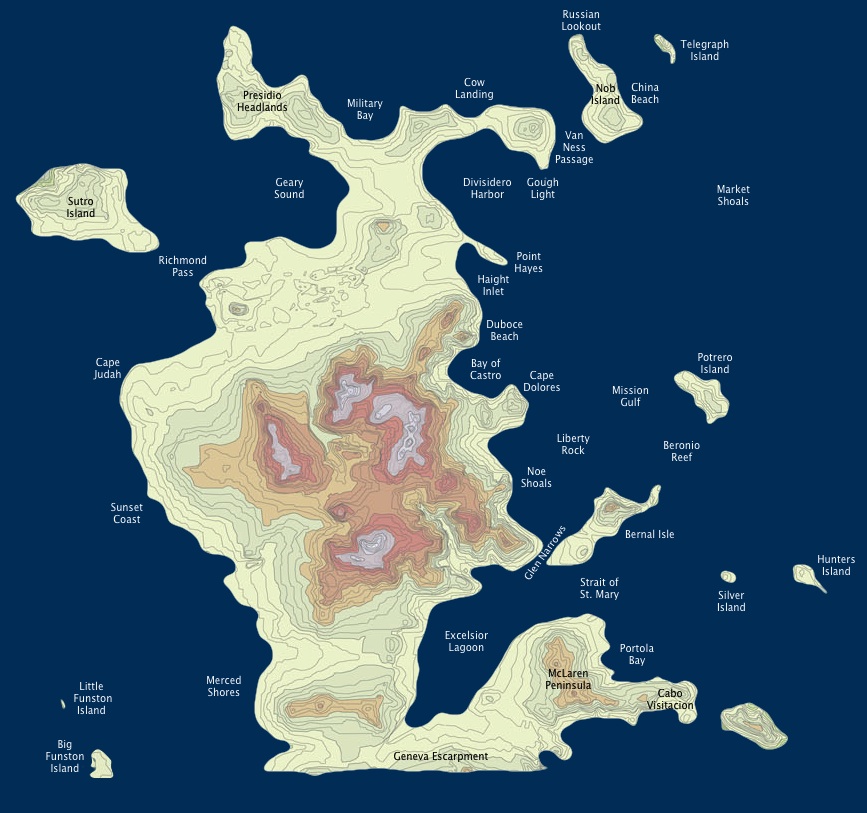
His research generated some bittersweet conclusions. Assuming a worst-case scenario of 200-feet of sea-level rise, San Francisco will become an archipelago. That’s bad news for his beloved La Lengua Autonomous Zone, which will be completely submerged beneath the rising waters. But on the bright side, Bernal Hill will be transformed into a glamorous island with excellent luxury vacation destination potential.

Let’s zoom in for a closer look:

In a must-read post written from the perspective of the year 2072, Burrito Justice envisions life in the San Francisco Archipelago:

With the surprising acceleration of sea level rise due to the melting of both the Greenland and Antarctic ice sheets over the past decade, ferry service has been announced between the new major islands of the San Franciscan Archipelago while the boring machines make progress under the Van Ness Passage and Richmond Pass for the new transit tunnels. […]

The submerged ruins of the Sunset and the Mission have proved popular diving attractions, [and] many have already forgotten the locations of long-flooded streets and avenues. […]

While other islands have embraced both bridges and tunnels — the 150 year old bridges across Glen Narrows are scheduled for destruction once the new suspension bridge is completed to Bernal Isle.

What’s fascinating is the fact that Bernal Isle of 2072 is quite a bit like the Bernal Heights of 2012: A scenic haven that’s just slightly cut off from the rest of the City. But Bernal Isle will also enjoy some competitive advantages that Bernal Heights does not; most notably, ample beachfront real estate and convenient tourist access to the submerged ruins of the former Mission District.

Fellow Citizens of Bernalwood, we have an exciting future to look forward to!

IMAGES: Top, Telstar Logistics. Archipelago maps, courtesy of Burrito Justice.

1959 Cadillac Emerges from Bernal Garage; Smart Cars Rejoice

Neighbor Mason was on hand to witness the opening of an ad-hoc time capsule on Bocana last week:

Last Friday at 305 Bocana, a garage was opened to reveal a collection of cars (and parts) owned by the late Edward Cicero, longtime Bernal butcher and possibly the founder of what is now Avedanos. (Factcheck please!) His son, Edward Jr, and grandson Steve just sold this stunning yellow ’59 Cadillac and were moving it outward and onward to its new owner.

To my surprise, there were two late 30’s Packards stashed in the other garage bay, and even a transaxle for Ford Model A. We remain excited to see what will take the Cadillac’s place, as apparently Mr. Cicero was an avid collector of metal, and there are several other examples of his curatorial prowess in other undisclosed locations.

Some interesting facts divined by yours truly:

  • This 1959 Caddy’s wheelbase (130″) can accommodate the length of an entire Smart car (98″) with an electric bike on a rear bike rack (18″) and still have 18″ left over for a clean parking job.
  • This 1959 Caddy’s engine 390 cubic inches is over ten times that of a Smart car (36cui).
  • The Smart Car boasts a passenger area of 45.4 cubic feet. While certainly impressive, this is only slightly larger than the capacity of the Caddy’s fuel tank (42.29 cu ft).

PHOTOS: Mason Kirby

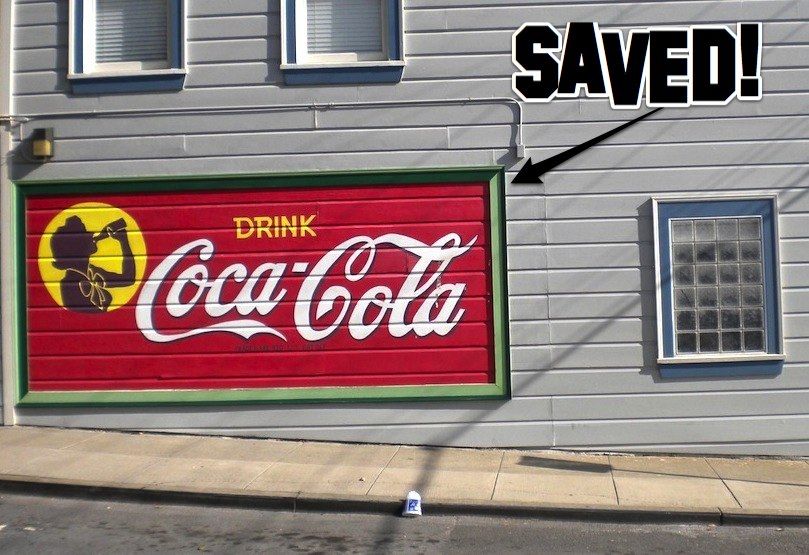
VICTORY: Future of Bernal’s Vintage Coke Sign Is Secured

Vintage Coke Sign

It took a year, an outcry, and a special piece of legislation to get the job done, but last Thursday the matter of Anonymous NIMBY vs. Bernal’s Vintage Coca-Cola Sign has been resolved, and the future of the sign is now secured.

Richard Modolo, the Bernal resident who owns the home at 601 Tompkins upon which the sign appears, sent Bernalwood this summary of last week’s Planning Commission meeting where the commissioners voted to allow the sign to remain:

I attended the Planning Commission meeting this afternoon and the Conditional Use Permit has has been approved. Next the Conditional Use permit will be recorded with the property deed, once that is completed I believe  the final step in the process is pulling a sign permit. We are getting near the finish line. I might add that there were several Bernal Hill residents who showed up in support of the sign. I am thankful to them and you for all of the support. I will continue to keep you informed along the way.

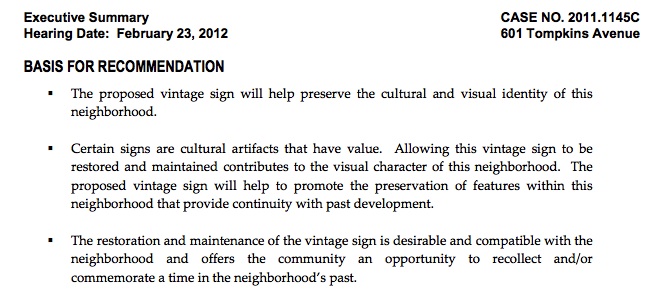
The vote came as a great relief, but in some ways it was not a surprise. Indeed, the Executive Summary of the case written by Planning Commision staff advocated for the preservation of the sign, and for all the right reasons:

The news of the Planning Commision vote was picked up by many of our City’s mainstream media outlets, including The Examiner and The Chronicle. Here’s an excerpt from the Chron’s coverage:

The vintage Coca-Cola sign whose presence bubbled into a citywide debate about preservation and historic art can stay right where it is, the Planning Commission decided Thursday.

A year ago, the 15-by-7-foot sign on the wall of a Bernal Heights home became the subject of controversy when a group of residents said it was corporate advertising in a residential area and promoted obesity by advertising a sugary drink.

Those for the mural, which was probably first painted in 1930, before being covered with asbestos siding in 1956 and rediscovered in 1991, said it was a relic from Bernal Heights’ working-class past.

All well and good, but both the Chron and the Ex made a factual error by asserting that there was some balance of opinion within Bernal Heights regarding the fate of the sign. That is false. There was no “group of neighbors” that opposed the sign; As far as we know, there was exactly ONE neighbor who opposed it, and that lone neighbor managed to set in motion the chain of events that backfired very completely, such that the sign can now remain in place in perpetuity with the official imprimatur of Our City’s Government. (Also, the sign dates from the early 1940s, not the 1930, but who’s counting?)

But, hey, whatever. Victory is still victory, and still sweet, no matter how absurd the entire controversy might have been. So now let us just quietly enjoy the knowledge that Bernal’s vintage Coke sign can grace the neighborhood for 70 more trouble-free years.

PHOTO: Top, Richard Modolo. Below, Telstar Logistics

Hearing Scheduled to Save Bernal’s Historic Coke Sign

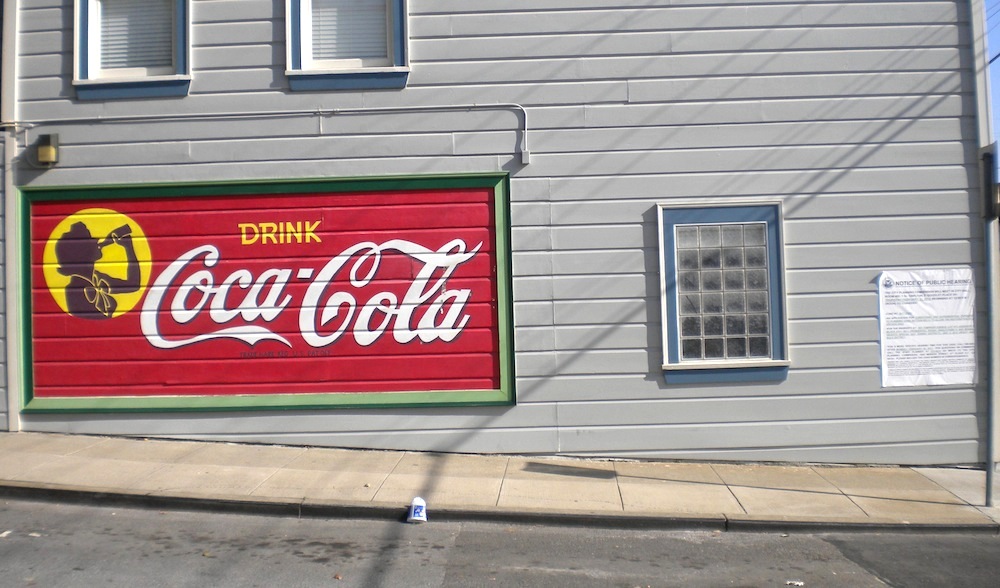
The effort to save the historic Coca-Cola sign that survives on the side of Richard Modolo’s home in Bernal Heights has been long, dramatic, and (thus far) mostly successful. But it is not over yet.

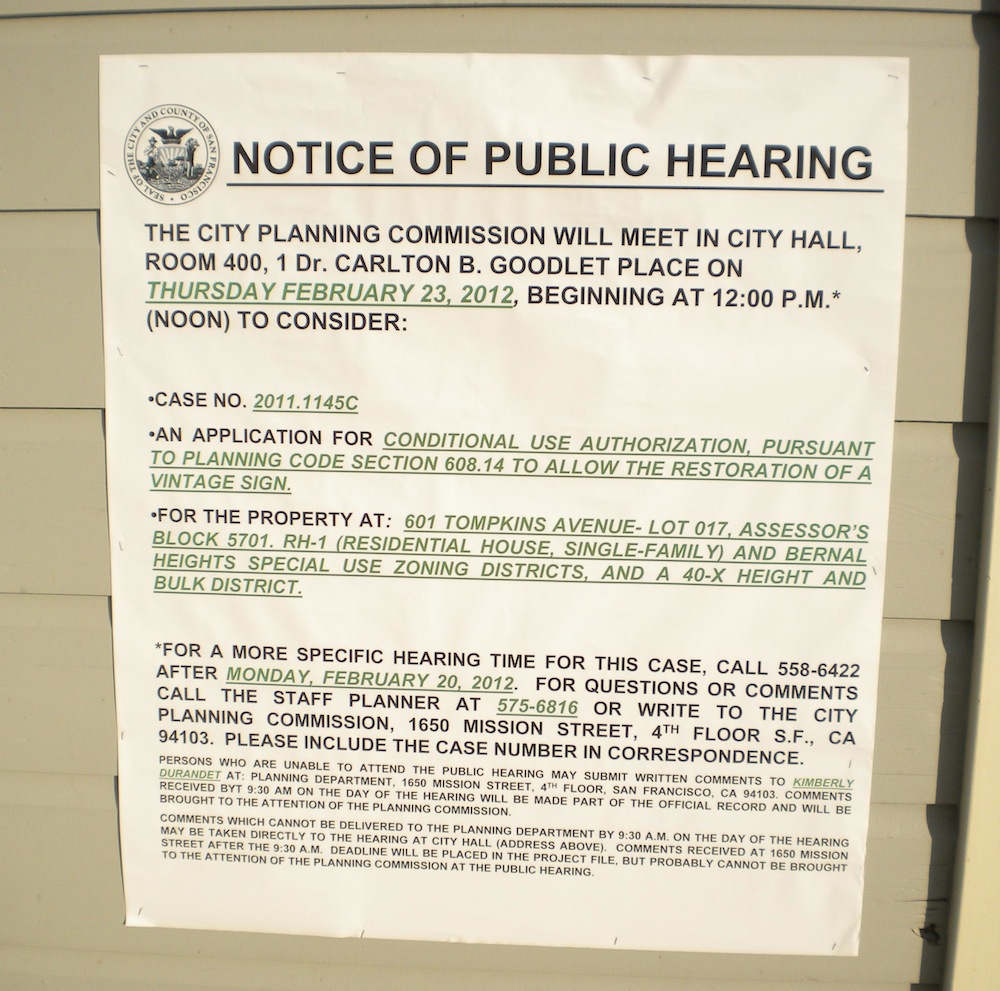
There’s a hearing scheduled for Thursday, Feb. 23 to consider the conditional use permit required to allow the sign to remain, and Richard Modolo needs all the support he can get during the hearing. In an email to Bernalwood, he writes:

It has almost been a full year since we started the effort to Save the Vintage Coke sign. One might have thought it was over by now, but that is not the case — though we are close. A few months back I was allowed to pull a Conditional Use permit which will allow me the keep and maintain this vintage sign. The final process in the permit is the public hearing with the Planning Department, and that has now been scheduled for Thursday, February 23, at 12 noon in room 400 of City Hall. The hous has been posted with two very big signs informing the public of the hearing. It could be a very interesting hearing, and I may need all the support I can get.

If you can attend the hearing to support the historic sign, Richard would be very grateful for your time and effort.

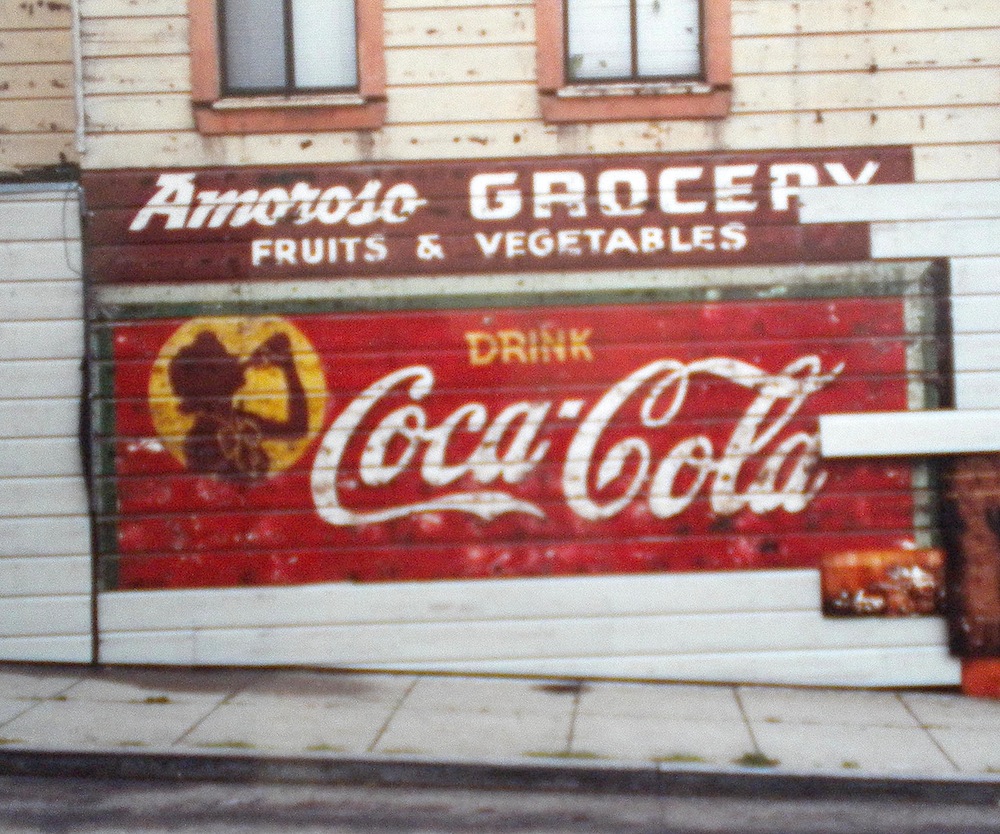
BONUS! Richard also sent Bernalwood this photo, circa 1991, which shows what his building looked like shortly after the asbestos siding was removed — revealing the vintage sign that had been hidden underneath. As you can see, the photo shows not only the Coca-Cola “ghost sign,” but also a sign from Amoroso Grocery, the corner market that used to occupy the structure. Very cool:

PHOTOS: Richard Modolo

RIP: Rose Cliver, 109, Bernal Heights Earthquake Witness

The San Francisco Chronicle brings us the obituary of Rose Cliver, a former Bernal Heights resident (from Gates Street) who watched the city burn from atop Bernal Hill after the Great Earthquake of 1906 struck:

Rose Cliver was 3 years old on April 18, 1906, when the quake and resulting fire killed more than 1,000 people and ruined more than 28,000 buildings. When she died Saturday at a residential care home in Santa Rosa, she was 109.

She attended an annual commemoration of the disaster in 2009, and “enjoyed her 15 minutes of fame,” said her son, Don Cliver of Santa Rosa. She told The Chronicle that day that she and her family, who lived in Bernal Heights, had climbed Bernal Hill after the quake and “watched San Francisco burn.”

Don Cliver said his mother wasn’t supposed to live long after her premature birth, but was the picture of health thereafter. One of 13 siblings, she lived an ordinary life – marriage, homemaking, two children of her own – and enjoyed traveling and quarter slot machines in her later years.

The Chronicle notes that Cliver’s death leaves four known 1906 quake survivors.

PHOTO: via Bernal History Project

Home Portrait: Golden Gate Bridge House

So it seems that the California Historical Association has hit upon an idea: To commemorate the installation of a new exhibition marking the 75th anniversary of the Golden Gate Bridge, the organization plans to paint their headquarters building in SoMa the exact same color as… the Golden Gate Bridge.

It’s a clever idea, but it’s not so original. Indeed, here in Bernal Heights, where everyone is avant-garde, there is already a structure which does the same thing. It’s a house located on Precita near the intersection with Shotwell, and it’s painted from top to bottom in the exact color used on the Golden Gate Bridge: International Orange.

The University of California at Berkeley provides a quick overview of how International Orange was selected for use on the bridge:

Chief engineer Joseph Strauss and his colleagues intended to select a paint that would withstand the harsh winds and weather and the corrosive salt air-constant factors for a bridge across the Golden Gate. Following a year of testing paints and colors, the possible choices were carbon black, steel gray, and orange. Some felt that this bridge, like others, should be black, gray, or silver. Architect Irving Morrow preferred the warm orange color for both aesthetic and practical reasons. He felt that the darker shades would detract from the beautiful setting and that orange could be seen better in dense fog, another constant factor for the Gate. He was supported by local artist and sculptor Benjamin Buffano, and by many other locals who wrote letters supporting his choice of “International Airways Orange.”

San Franciscans took to International Orange almost immediately, as evidenced by this letter sent to Irving Morrow in 1935 — two years before the bridge was completed:

Dear Mr. Morrow,

For some time I have been wanting to express to you how fine the Golden Gate Bridge tower on the Marin Shore seems to me.

I have watched it from the ferry and the city in almost every kind of weather and light, and find it superbly in harmony with the landscape both in design and color.

Now that the south tower is beginning to appear, the beauty of that color of red lead has been brought home to me even more — in marked contrast to the drab color of the Carquinez Bridge and others about the bay.

Couldn’t the Golden Gate Bridge be left in red lead or some finishing paint that approaches vermillion?

It would enhance the dignity of the great structure and harmonize it completely with its surroundings.

Of course, that “red lead” wasn’t just primer — it was the finish coat, and a lead-free version of the color is still in use today. According to the purchasing manager for the Golden Gate Bridge, the official paint is called “Golden Gate Bridge International Orange”  (Code: B-66EJ1000 or B-640216206) and it’s manufactured by Sherwin-Williams.

Fireweed: SW6328

Unfortunately, the paint used on the bridge is a custom commercial mix sold only to high-volume clients. For civilian homeowners, Sherwin-Williams makes a consumer color color called “Fireweed” (code SW 6328) that’s an exact equivalent to the paint used on the bridge.

Funny thing, though… when you see a sample of Fireweed — like the one to the right — it looks much much darker and much less orange than your mental image of the Golden Gate Bridge:

DSC_9200

But that’s (literally) just a trick of the light. This photo shows a field comparison, with a Fireweed swatch held up alongside a  portion of the Golden Gate Bridge. If you allow for a little fading and oxidation on the portion of the bridge shown here, you can see it’s the same color:

How to paint anything the color of the Golden Gate Bridge

Hit that color with some intense natural sunlight, and watch what happens… Voila! It glows in that familiar Golden Gate Bridge hue. Notice how that’s happening in the sunny portion of the Bernal Heights house shown in this photo:

Ce n'est pas un Photoshop

So there you have it. More than you ever wanted to know about the Golden Gate Bridge House in Bernal Heights. And why do we know so much about this home?

That’s easy: It’s my house, I researched and chose the color, and I live here.

PHOTOS: Telstar Logistics

1979 Patty Hearst Film Was Shot on Location in Bernal Heights

Did Patty Hearst Sleep Here?

While we’re on the subject of the area around Folsom and Precita streets, I am reminded of a fascinating video that was forwarded to me recently by Bernalwood contributor David Gallagher.

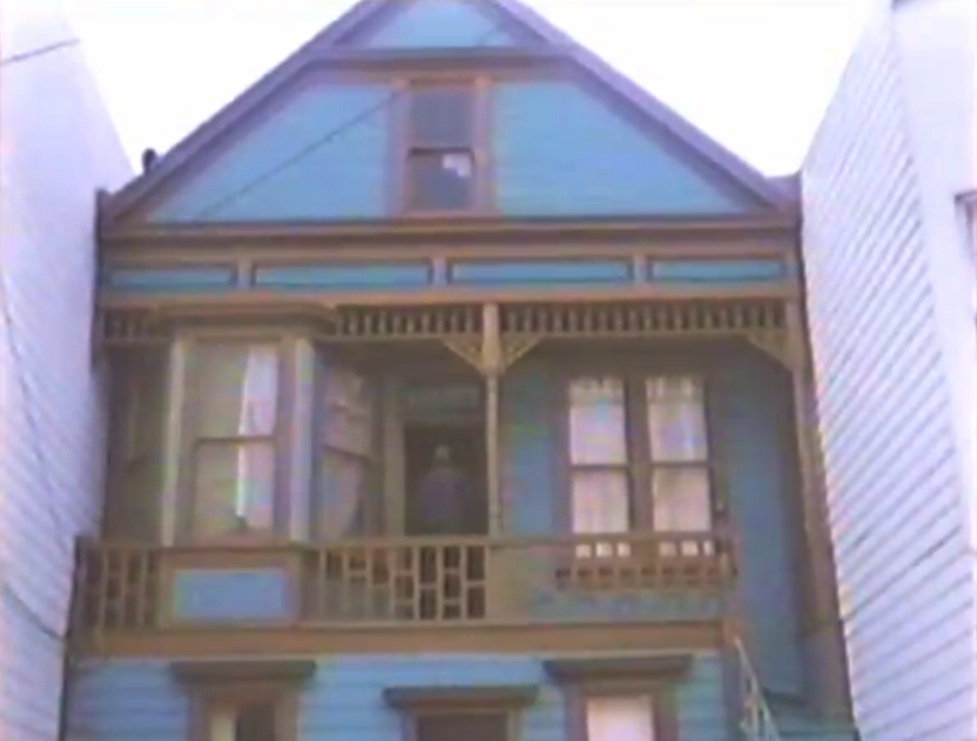
As some of you may recall, Bernal was a hotbed of of leftist radicalism during the 1970s, and for a time the home at 288 Precita was used as a safehouse by the Symbianese Liberation Army, at the time of the Patty Hearst kidnapping.

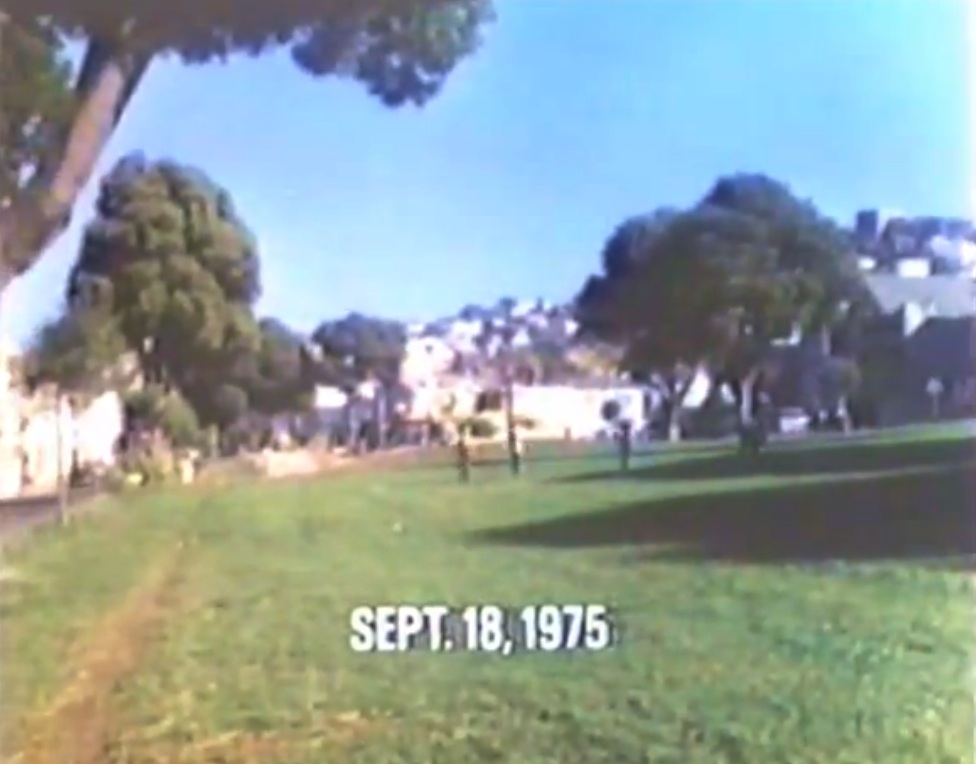
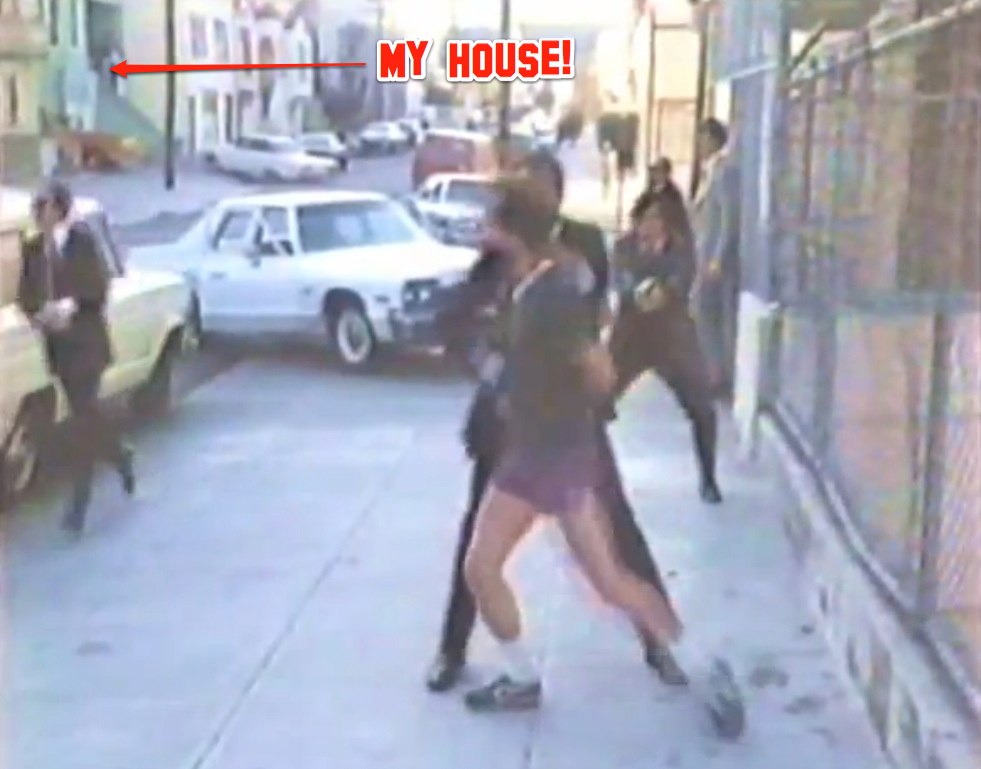
Moreover, the sequence of events that lead to Patty Hearst’s rescue began here, in 1975, when FBI agents raided the house on Precita and arrested some of the SLA leadership.

David calls our attention to this video, which was taken from “The Ordeal of Patty Hearst,” a made-for-TV movie from 1979. Most interesting of all, however, is the fact the the movie was filmed on location, here in Bernal Heights, in the very homes and businesses where the events unfolded. Talk about verisimilitude…

So it’s a twofer: A video history lesson about the capture of the SLA leadership in Bernal Heights, and a window on what the neighborhood looked like in the late 1970s. Bonus: My house used to be… turquoise?!

Here’s the video:

PHOTO: Top, 288 Precita Ave. in 2010, by Telstar Logistics

“The Golden Age of Soul,” at the Bernal Library, Tomorrow

Carlos Santana once lived in Bernal. But James Brown? Alas, no. Ray Charles? Sorry. Aretha Franklin? Err, not so much.

Regardless, there’s a terrific program about “The Golden Age of Soul” on the calendar tomorrow night at the Bernal Heights Branch Library:

When: Wed, 2/08/2012, 6:30 – 8:30

Richie Unterberger will present “The Golden Age of Soul Vol. 3” in honor of African-American history month. This is a presentation of rare soul music film clips from the 1960s and early 1970s. This is *not* the same program as the two soul music programs he has previously done at the Bernal Heights branch. This features entirely different clips, including footage of performers such as Mary Wells, James Brown, Stevie Wonder, Wilson Pickett, Ray Charles, the Four Tops, Jackie Wilson, Les McCann & Eddie Harris, and Aretha Franklin.

Sounds fantastic. As a preview bonus, we are proud to present this exclusive footage of James Brown’s 1965 performance at the Ski Bernalwood Summit Lodge, for your viewing enjoyment: