This Bernal Resident Ate a Mouse For Lunch

I have a mouse and you don't

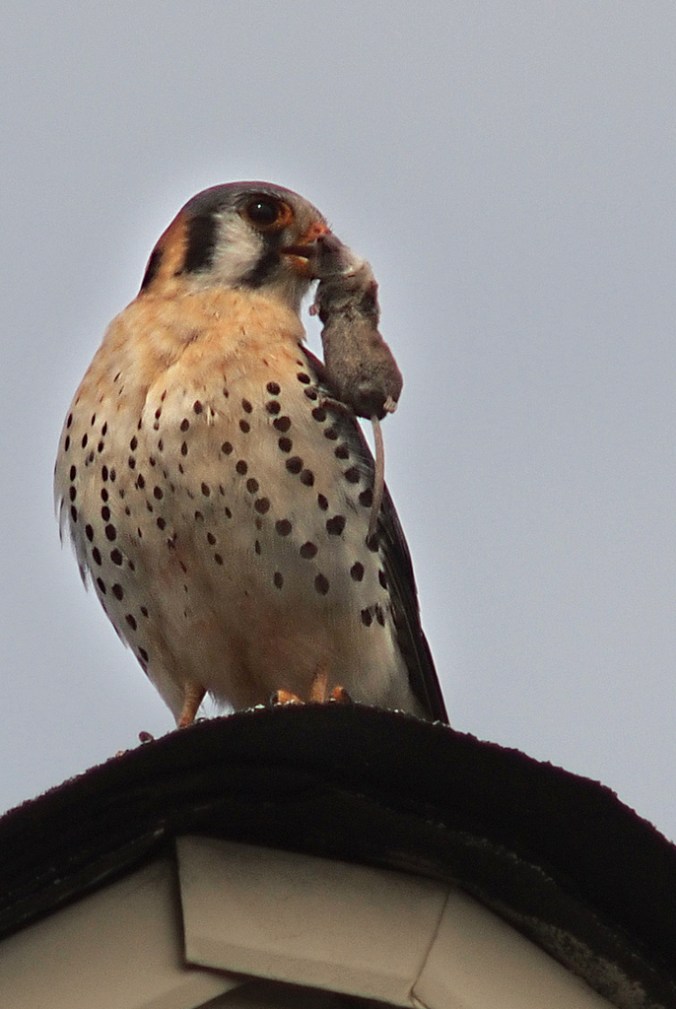
While we’re on the subject of birds, Dyche captured some fantastic photos of a Bernal Heights resident enjoying a free-range protein snack last weekend. Hearty!

Let’s zoom in:

UPDATE: There’s been some debate within the Ornithologist Committee over the question of whether this hungry bird is a Sparrow Hawk or an American Kestrel. The answer, apparently, is: Yes.  Reader Jeff explains:

The American Ornithologists Union has officially recognized American Kestrel as the name instead of American Sparrow Hawk since 1983. In reality, the Kestrel got its colloquial name because it hunts sparrows; the bird itself is actually from the falcon family.

PHOTOS: Dyche


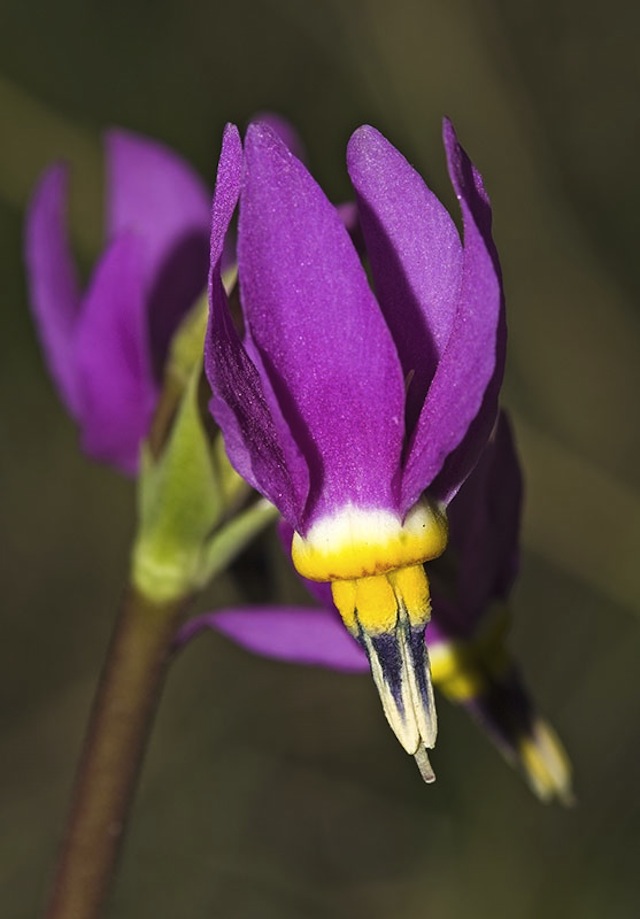
Wildflower of the Moment: Shooting Stars

Ashley Wolff wrote to Bernalwood recently with another update on what’s blooming right now:

Scattered on the steepest part of the Hill’s north slope is a member of the primrose family called the Shooting Star. Shooting star describes the flower shape: the stamens lead the way and the petals stream back like the tail of a shooting star.

The Latin name, Dodecatheon, is from the Greek “dodeca” meaning twelve, and “theos” meaning god– a fanciful name given by Pliny to a primose protected by the gods. The 12 gods referred to being: Zeus, Hera, Poseidon, Demeter, Athena, Dionysus, Apollo, Artemis, Ares, Aphrodite, Hephaestus and Hermes.

Dodecatheon  has an interesting pollination scheme: Pollen release occurs when pollen-collecting bumblebees visit the flowers and rapidly vibrate their ‘indirect flight muscles’ at a high frequency, causing the plant’s anthers to forcefully release a cloud of pollen into the air and onto the bee.

The flowers of the Shooting Star have been used both to attract men, and to help children sleep.

Photo: Ashley Wolff

So Many Wild Creatures in the Neighborhood!

Bernalwood has all kinds of awesome creatures and plants all over the place; you just have to look a little bit, and learn how to figure out what you’re seeing.

It also helps if you have an awesome camera or lens. I don’t know anything about cameras, but luckily, Logan Bartling seems to have one. Also luckily, in addition to writing an excellent blog about birding on Alcatraz, he lives in Bernal Heights, and kindly shared some recent photos with us.

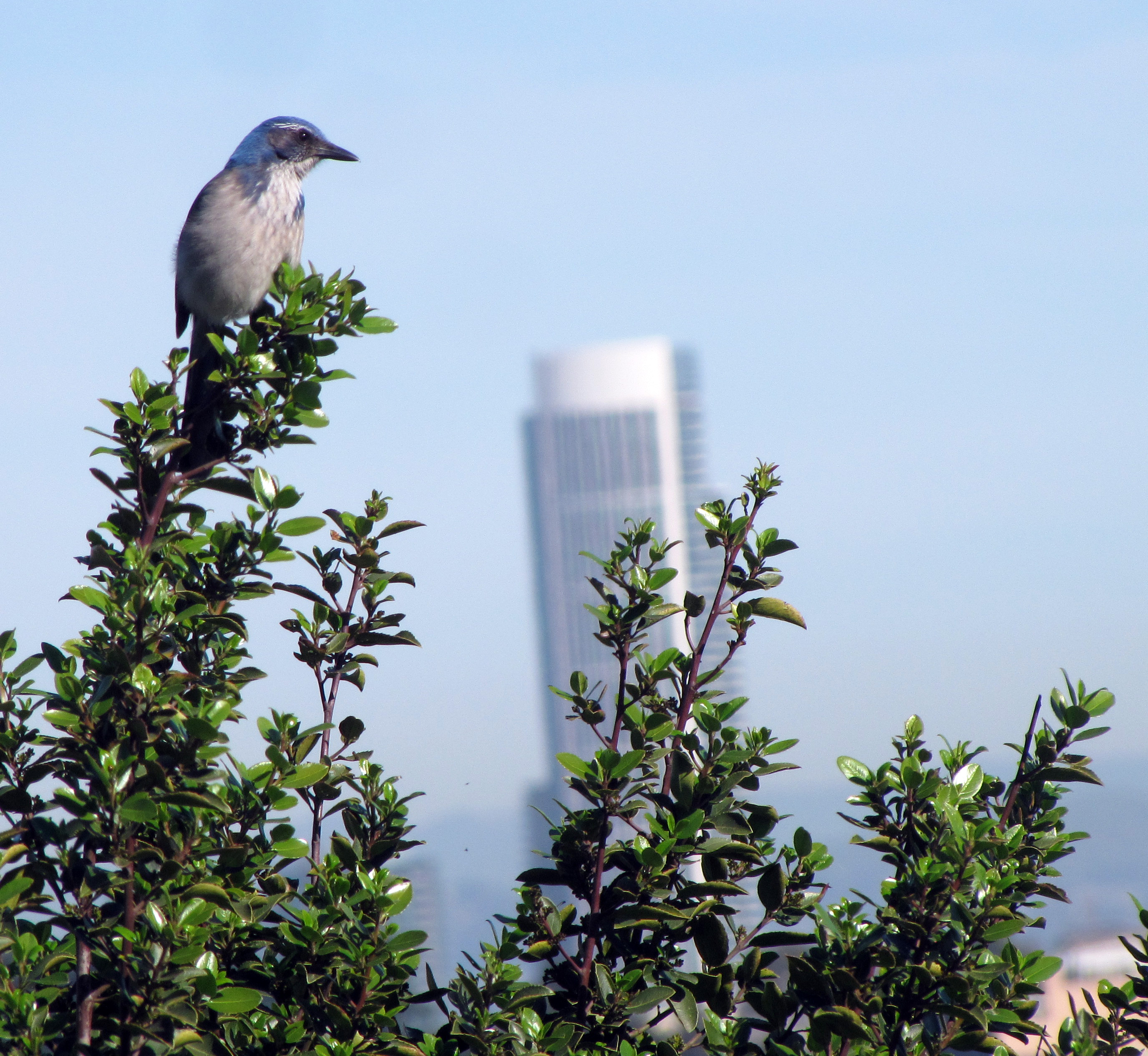
The very top photo is a Western scrub jay. This shiny guy is an Anna’s hummingbird. They have a funny little wheezy squeak, like an over-loved dog toy. I hear it all the time on Bernal Heights Blvd., and can usually find the source sitting on a sunny branch.

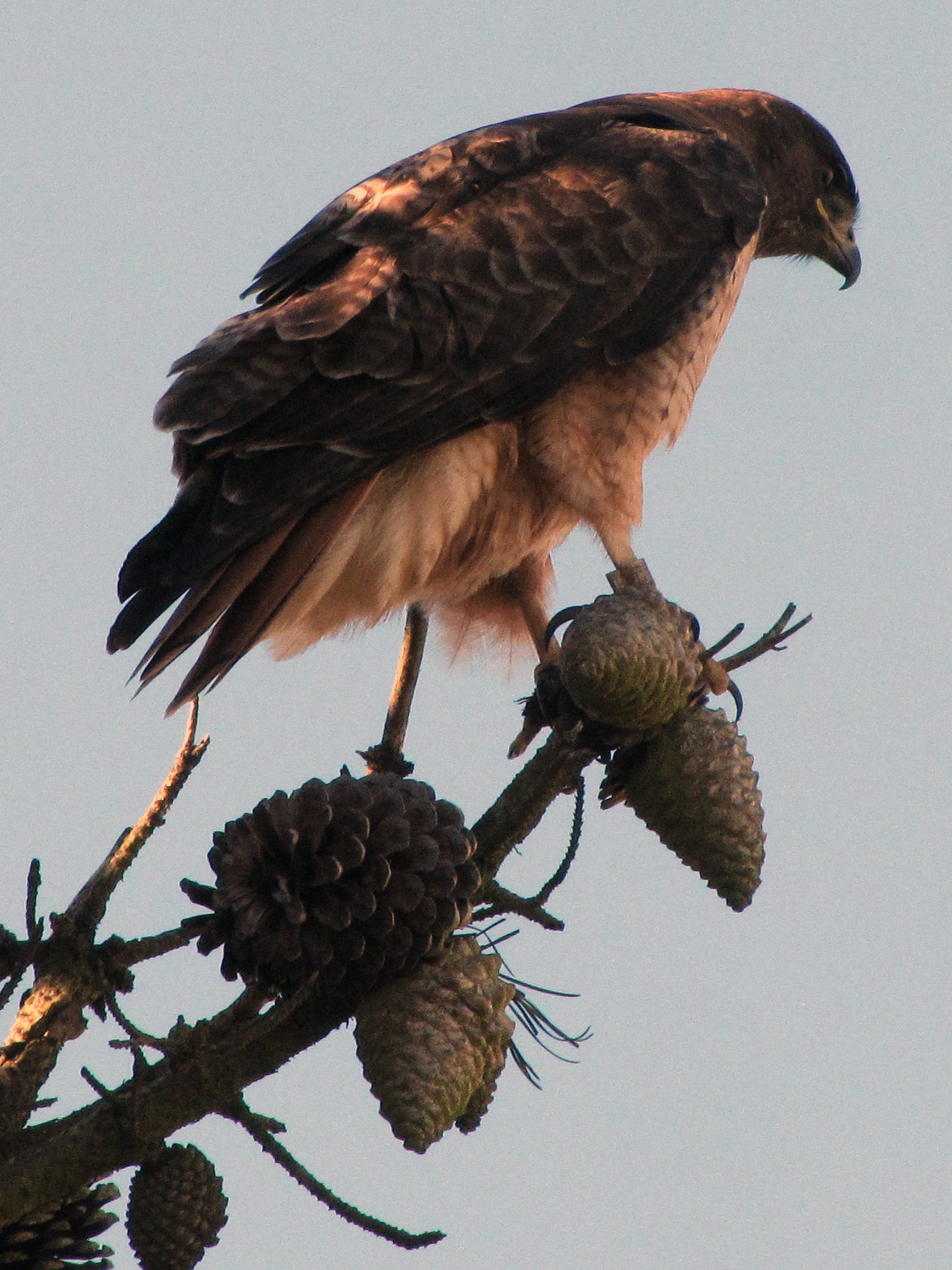
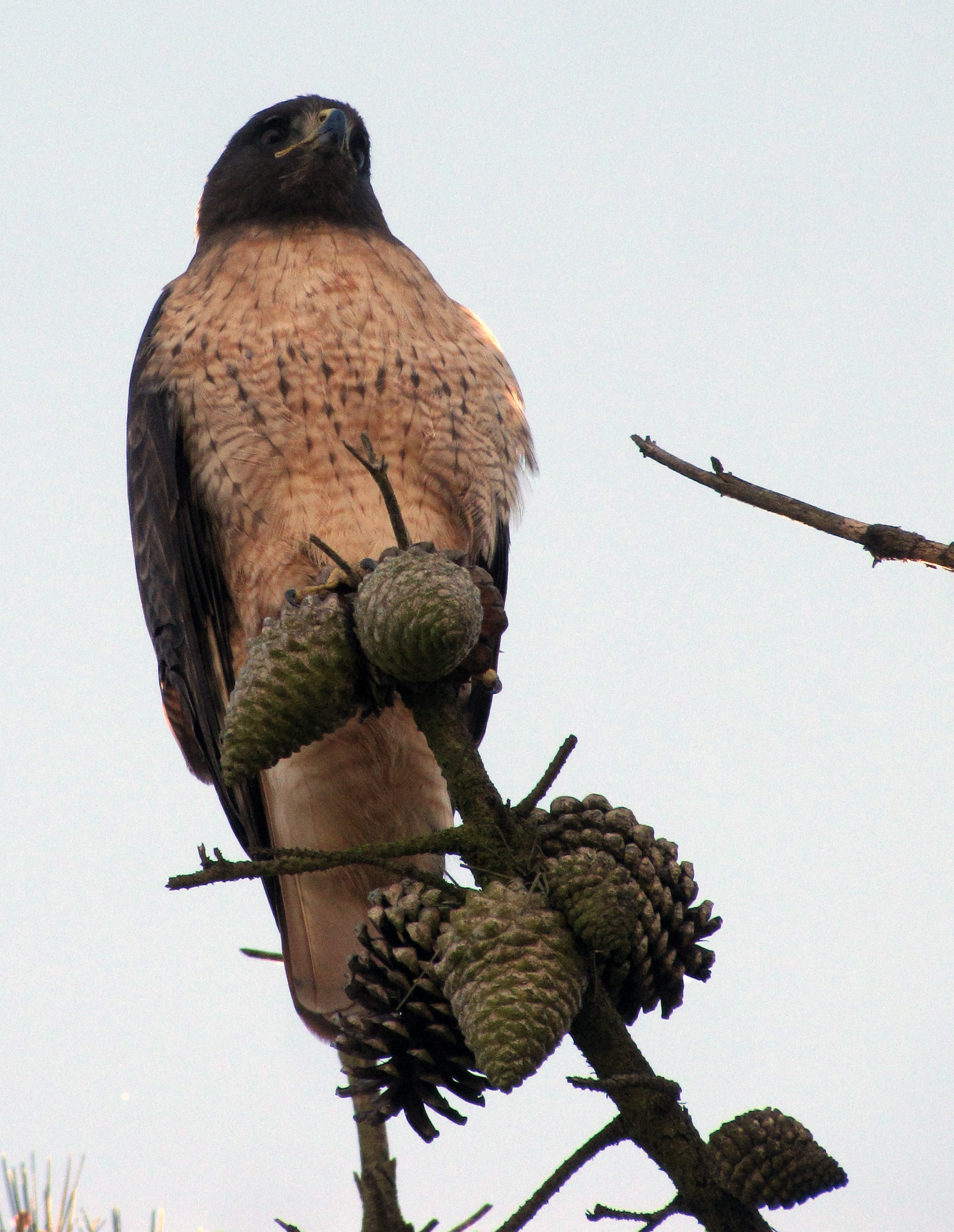
Red-tailed hawk. You know when there’s a movie set in a crazy jungle or somewhere super-exotic and wild and you hear the high-pitched terror-inducing cry that tells you, “this is a crazy location?” That’s a red-tailed hawk.

A pocket gopher. Gardeners and dogs know these guys.

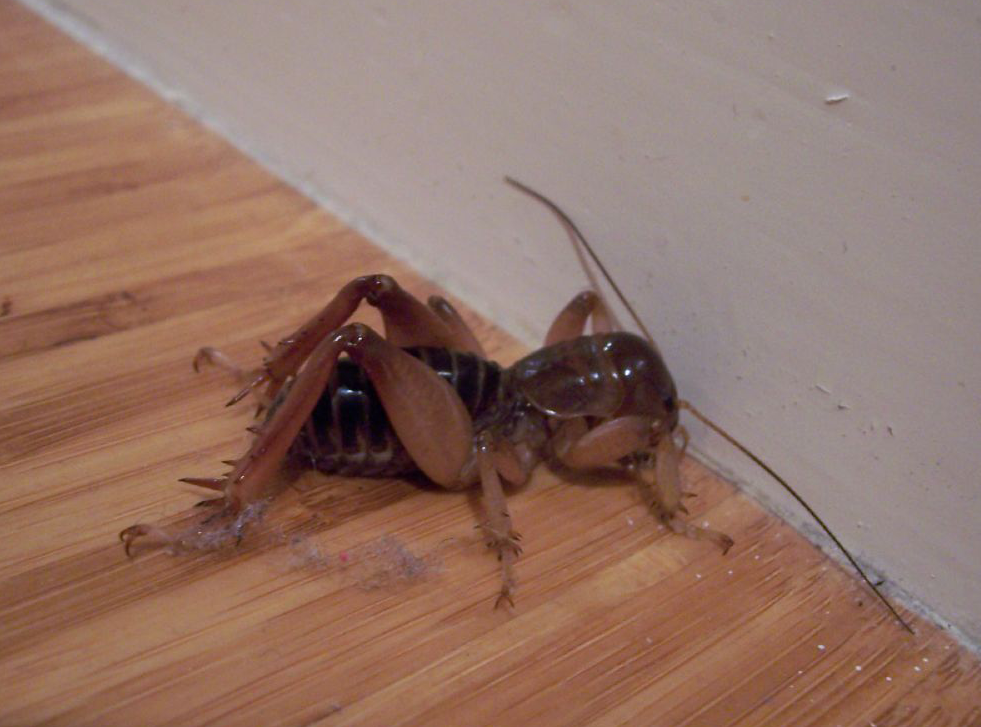
The fearsome Jerusalem cricket. Ew!

A pair of kestrels. Logan claims that the kestrels follow him. My hunch: he just knows when and where to look for them. He says he’s seen them lately along Bayshore and up on Powhattan and Bernal Heights Blvd.

Photos: Logan Bartling of Maganrord.

The Oxalis Weed: An Uninvited Guest That Never Leaves

Every winter after the rain, oxalis starts popping up. Maybe even during the rain; I don’t know for sure. But one thing is certain: On that day when you glance up on a walk and think, “oh, it’s green again,” part of the reason for the change in color is oxalis.

Bane of gardeners, this aggressive weed grows in yards, between sidewalk cracks, on hillsides, in planter boxes. The oxalis we all hate is Oxalis pes-caprae, a native of South Africa. (Which also gave us ice plant. Thanks a lot, South Africa.)

Oxalis is just about impossible to get rid of. Our La Lenguan neighbors have it, too. Actually, it’s all over the city. I’ve never had any luck eradicating it. I’ve heard that what you really have to do is dig down and remove every single god-forsaken bulb. One of these letters to the Chronicle from 2007 suggests getting chickens. So there’s that option.

It’s also known as sourgrass–and also, apparently, as Bermuda buttercup (though I don’t think I’ve ever heard that one before). In small quantities it’s even edible. You can chew the flower stalk or eat the leaves; it’s kinda peppery-lemony, like a woodsy lemon drop.

Oxalis afficianados will point out that not all oxalis are bad. In fact, we even have some nice native ones, including redwood sorrel (Oxalis oregana), which grows in redwood forests. But the oxalis known as oxalis is a serious pain. To part on a really cranky note, this essay by science writer David Quammen explains much more eloquently than I ever could why most weeds suck.

Savvy Spotters Say Bernal’s Birds Are Not So Sexy

San Francisco’s annual Christmas Bird Count happened last week. (The counts don’t have to be on Christmas, just around that time.) The Golden Gate Audubon Society is still tallying the final results, but here’s the initial report on the birds of Bernal Heights: Not so exciting.

Tom White, who led the group that covered Bernal, said they didn’t see anything spectacular up here — certainly not any candidates for bird of the day. (For the uninitiated, birding is a slightly competitive activity.) Participants in Christmas Bird Counts count everything: crows, pigeons,  starlings, and ravens.

Between the Hill, Holly Park, and one of the community gardens, the Bernal group also counted Anna’s hummingbirds, a mockingbird, robins, house finches, pygmy nuthatches, yellow-rumped warblers, and two American kestrels. Mundane stuff. To them.

So Bernal’s not a hot birding spot — or at least it wasn’t the morning of the Christmas Bird Count. But we do have some nice birds. My favorites are the colorful scrub jays, squawking from a yard near you. The kestrels are cool, too: they’re tiny, colorful falcons. You can find them sometimes if you see a bunch of upset pigeons, but no hawk. Check nearby branches; chances are there’s a badass little kestrel hanging out. Even in the city, it’s a jungle out there.

Photo: A local hummingbird, by Molly Samuel

This Old Tree Is Actually the Most Unpretentious Bernal Heights Native You’ll Ever Meet

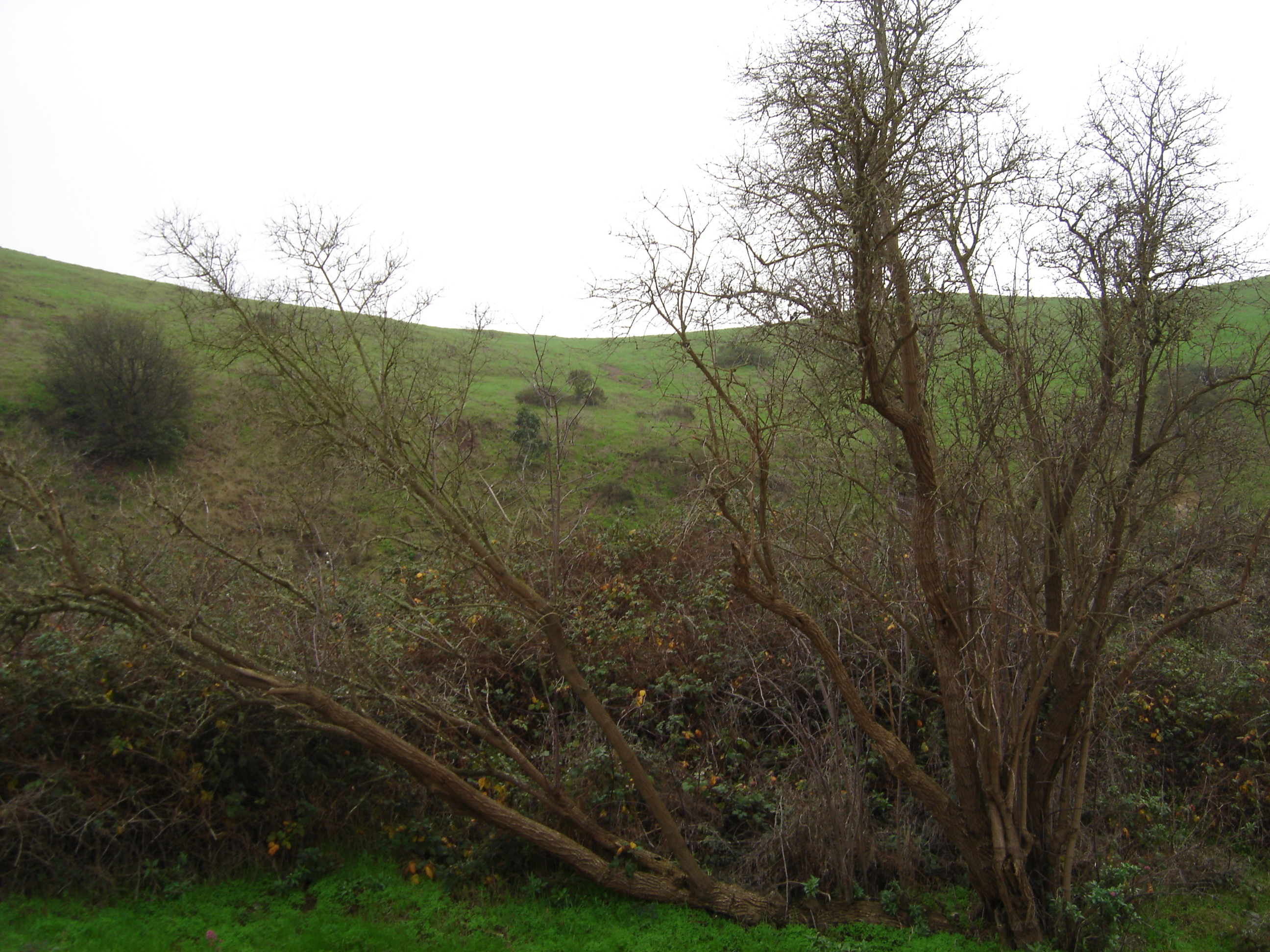
San Francisco natives like to talk about the fact that they were born here. It’s like they’re a rare species threatened by invasives on their little peninsula. If trees could talk, this blue elderberry (Sambucus mexicana) would probably give you an earful about it, too.

“The tree is believed to be a genetic remnant of San Francisco’s original flora, pre-(European) settlement,” explains Mei Ling Hui, the Urban Forest Coordinator from San Francisco’s Department of the Environment. “People think the seed it grew from was unearthed and sprouted after the road was cut around Bernal Hill as part of a WPA project.”

Okay, so it’s not a majestic-looking tree — it kind of looks like a big bush. But it’s an important one to the City. In fact, it’s one of San Francisco’s landmark trees. The Landmark Tree Program protects the city’s old, interesting, or special trees. We have lots of nice trees in San Francisco, but like many of our nice humans, most of them aren’t from here.

Bernal’s blue elderberry is like a time capsule. When you look up at it — it’s in the tangle of blackberries where Folsom dead-ends into Bernal Heights Blvd. on the north side of the hill — narrow your vision a little. Ignore the eucalyptus, and the radio tower, and the airplanes going by, and treat yourself to a glimpse of really old San Francisco.

Winter Creeps In, and With It Comes… Vermin!

Screw winter solstice. The way I know that autumn has succumbed to winter in San Francisco is when I have my first sighting of a most unwelcome guest: the Jerusalem cricket, a.k.a. potato bug.

My introduction to this indigenous terror was five years ago,when in the midst of unpacking a few lingering boxes from our move to Bernal Heights a few months before,  my husband caught one of these beauties scuttling along our dining room floor. “Jesus Christ!” he cried. “What the hell is that!?”

Longer than the planks on our hardwood floor are wide, the creature made me think of a crab crossed with a cockroach, but without the cuddle factor of either. As the boxes we were unpacking mostly contained souvenirs from our honeymoon in Southeast Asia years five years earlier, we immediately wondered if the bug could be some exotic hatchling we had inadvertently smuggled into the country, some venomous horror that might pass for a very unattractive cicada in the moments before its neurotoxic bite stilled your stuttering internal monologue.

But now wasn’t the time to surmise about the insect’s identity or origins. Now was the time to get it the hell out of our house.

I don’t remember exactly how we captured it (when it comes to creepy-crawlies, we usually oust rather than squash, and in any case, this thing was far too big to crush with a shoe — just imagine the sound that would make, not to mention the cleanup afterward). I do remember insisting that my husband release it on the other side of the street. Far away from our apartment.

Back inside, a Google Images search to the effect of “grotesque hideous vile cricket cockroach thing” helped us ID our intruder right away. We learned that Jerusalem crickets are not venomous (though they can inflict a painful bite) and that they feed on dead organic material … such as the pile of decaying leaves perpetually outside our back door! We also learned that they are native to the western United States. After 10-plus years in San Francisco, it’s a wonder we hadn’t met one before. Then again, Bernal Hill is the most verdant locale we’ve ever inhabited in the city.

The next couple winters, a succession of JCs struck progressively closer to hearth and heart: first in our kitchen, then right outside our bedroom door — that time I very nearly stepped on the thing with my bare foot.

The past couple of years, my annual JC sightings have been up on the hill, in Bernal Heights Park — this year’s occurred just last week. Interestingly, both times, the insect was dead.

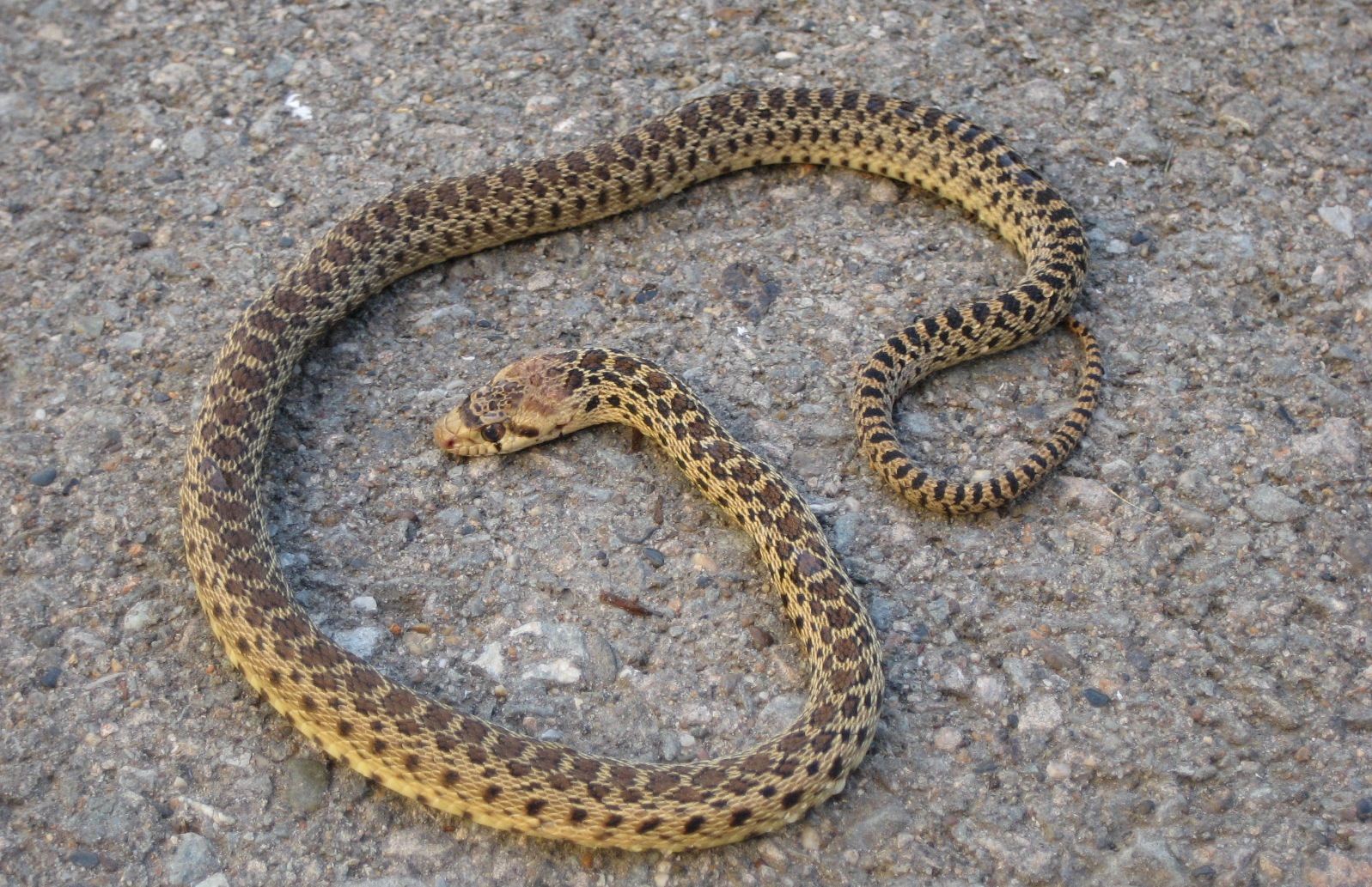
So was the other notable wild animal we last spotted up there, the Pacific gopher snake.
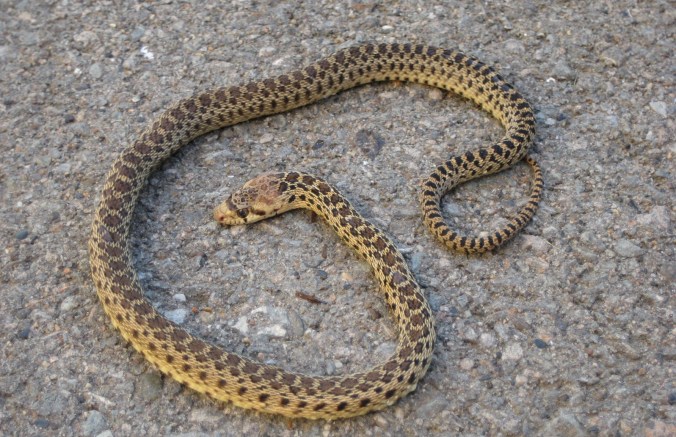
Hmm… Maybe if we could persuade a live one to visit our home, that would help get rid of another, much more common, hallmark of winter: house mice.

IMAGES: Nasty Jerusalem cricket, Neeta Lind. Gopher snake, Wikipedia